Kodak Gold 200
in praise of our childhoods……………
A Simple Analogue
Kodak Gold 200 occupies roughly the position in photography that the family station wagon occupies in motoring: nobody ever boasted about owning one, and yet it has carried more of the human record than all the Leicas in Wetzlar put together. It was the film your father loaded incorrectly on Christmas morning, the film that sat cooking in the glovebox through an entire Spanish summer and still, when finally developed some time around the following Easter, handed back your holiday with an apologetic warmth, as if to say it had done what it could with the material provided. This is not nothing. Most of us, given eighteen months in a hot car, would produce considerably less.
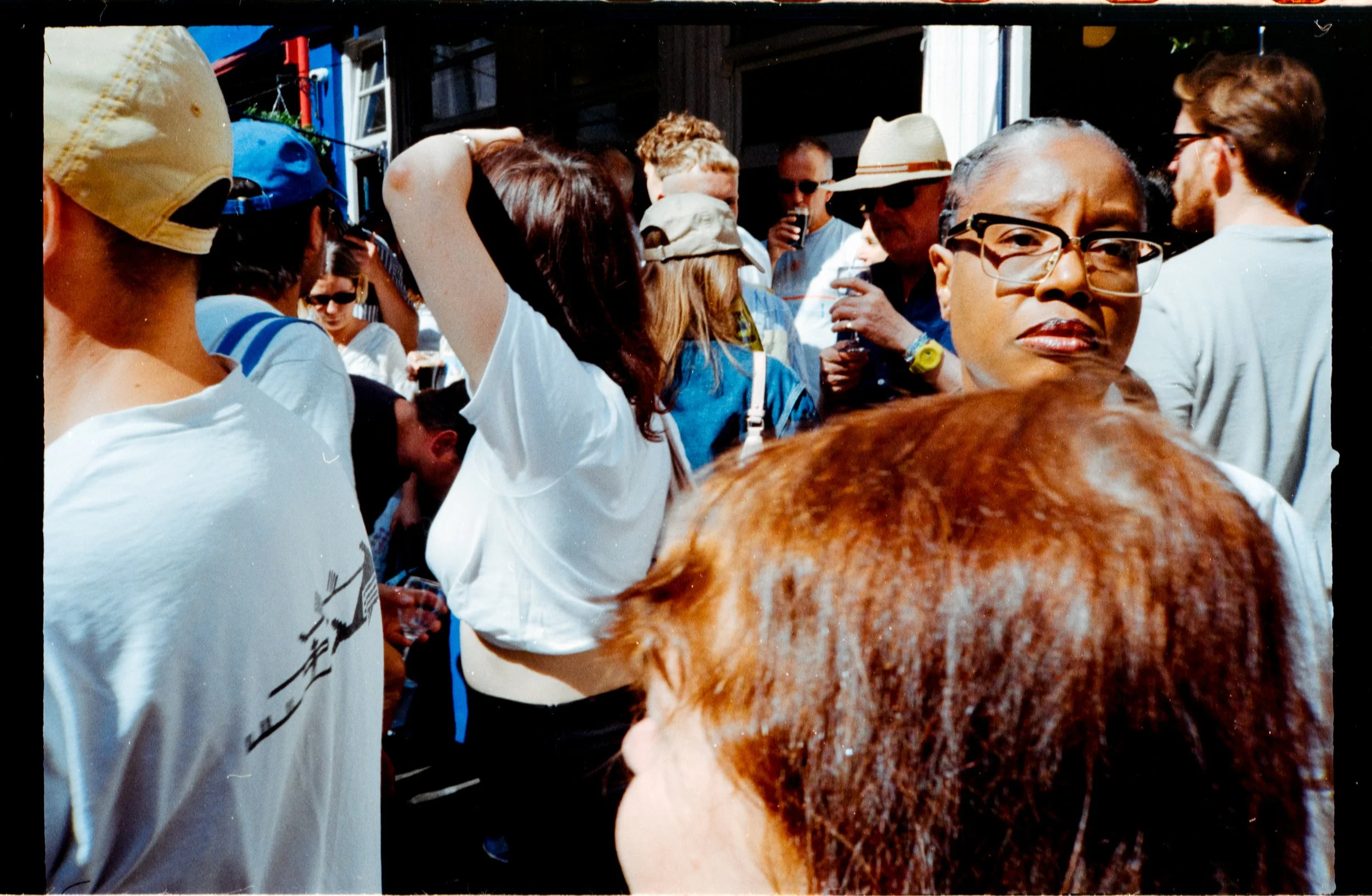
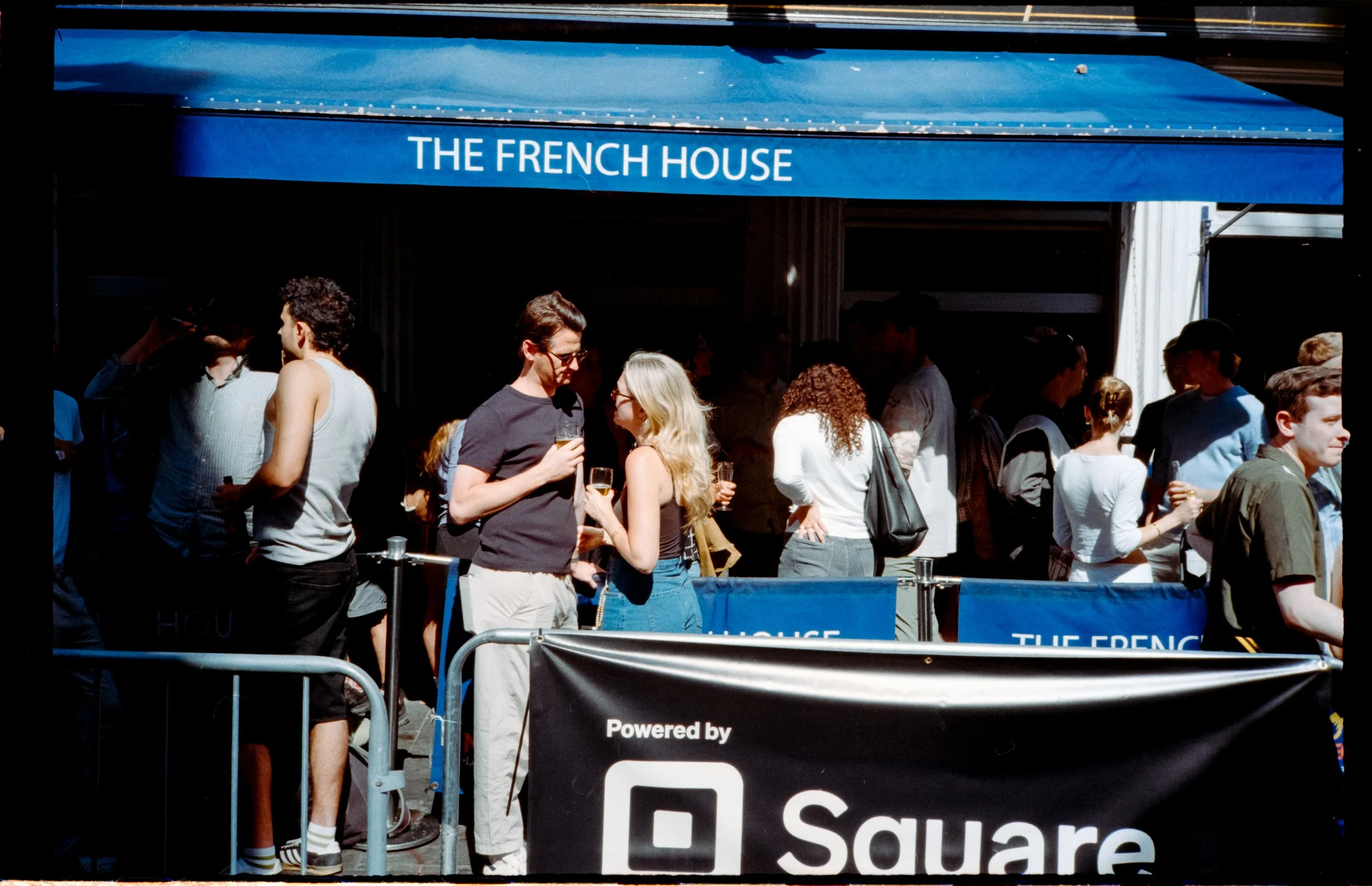
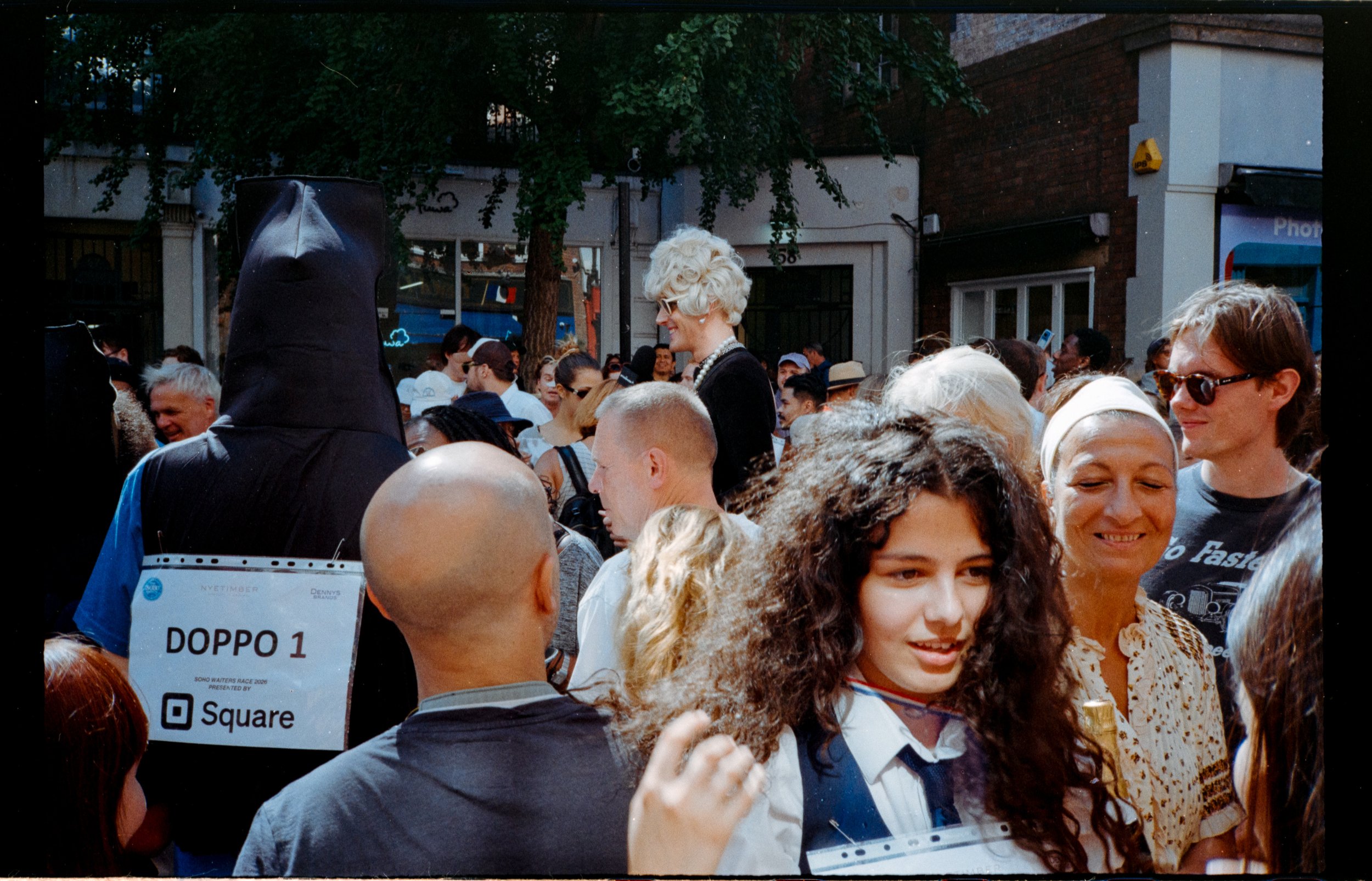
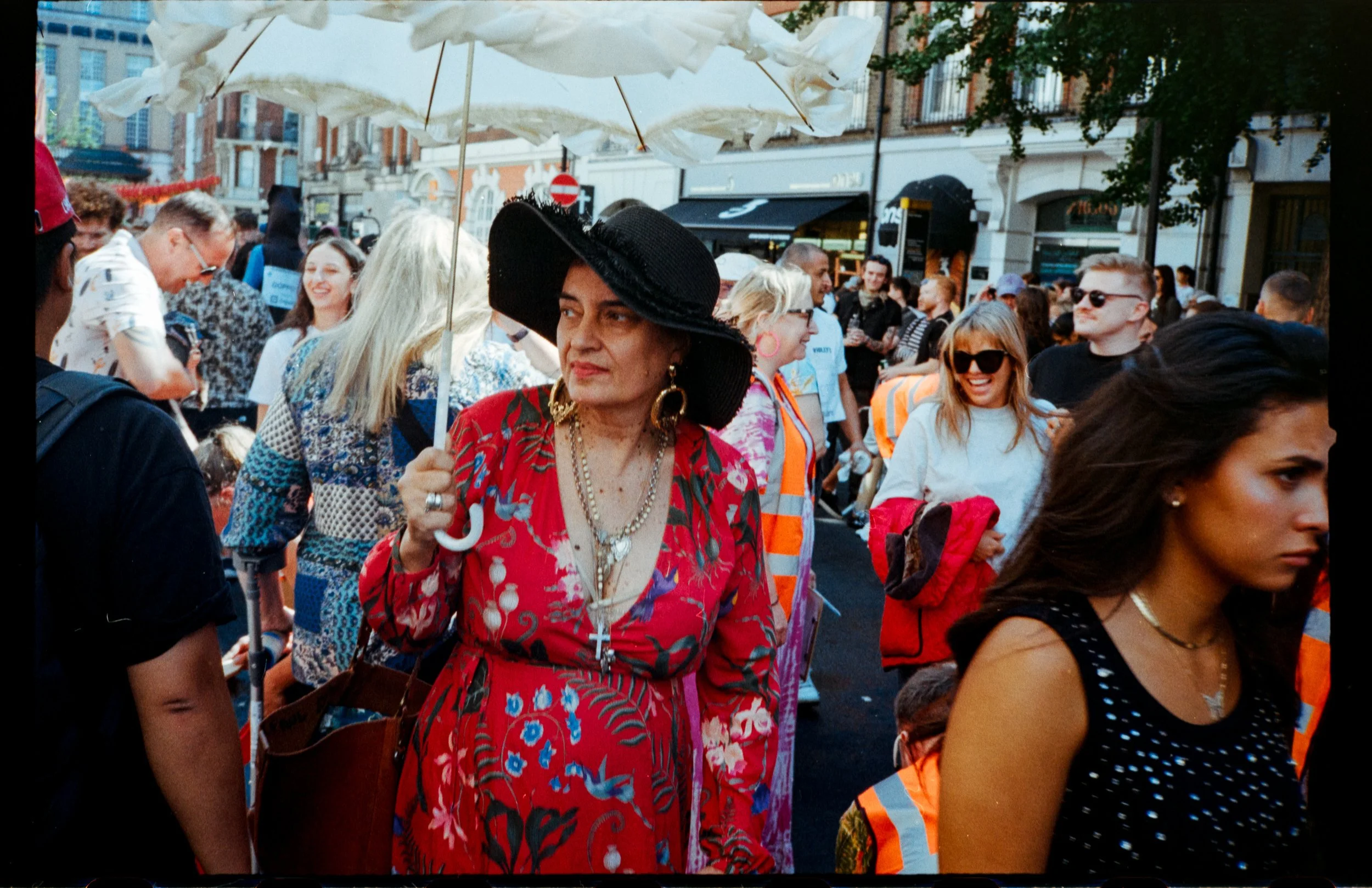
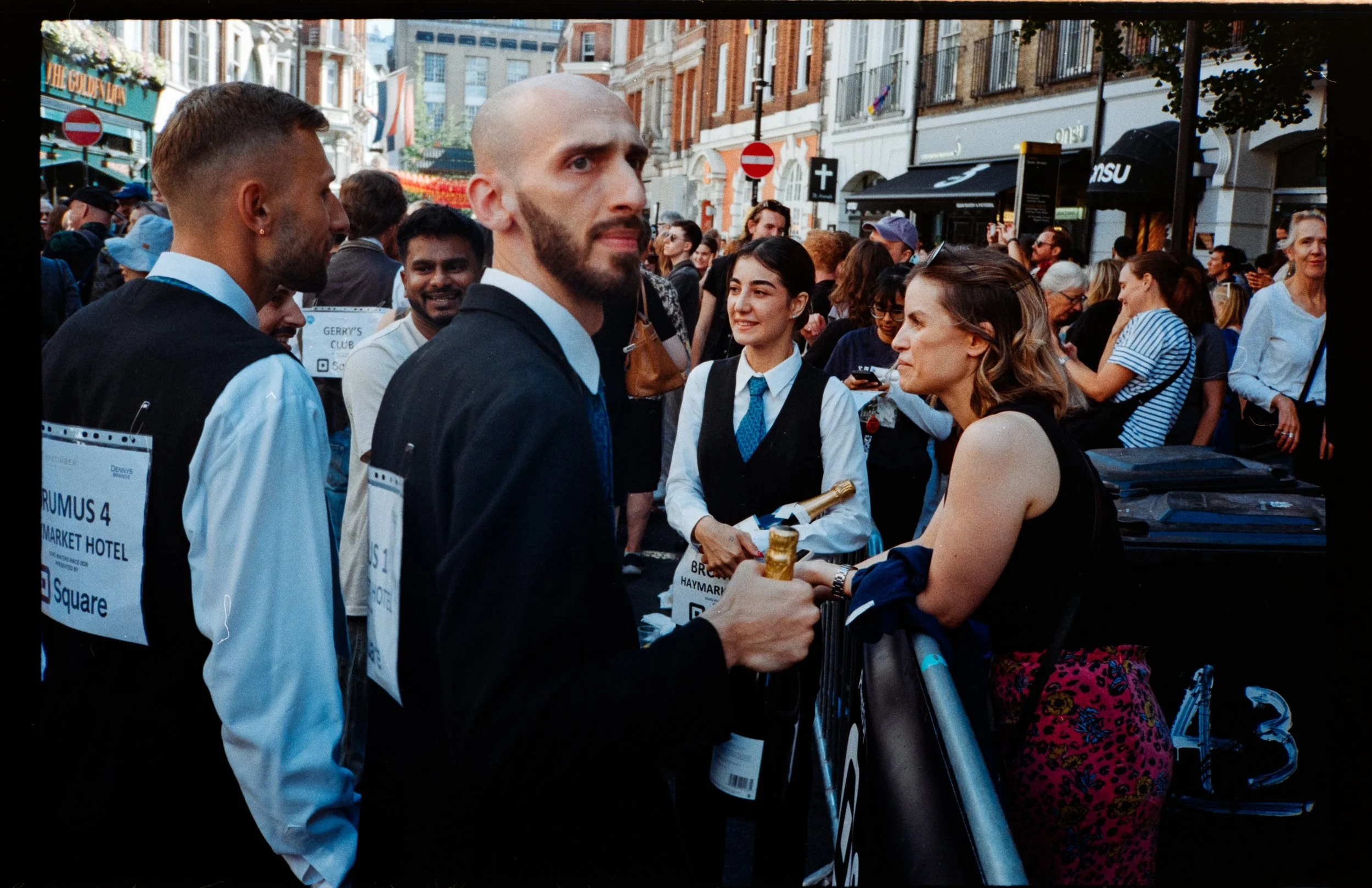
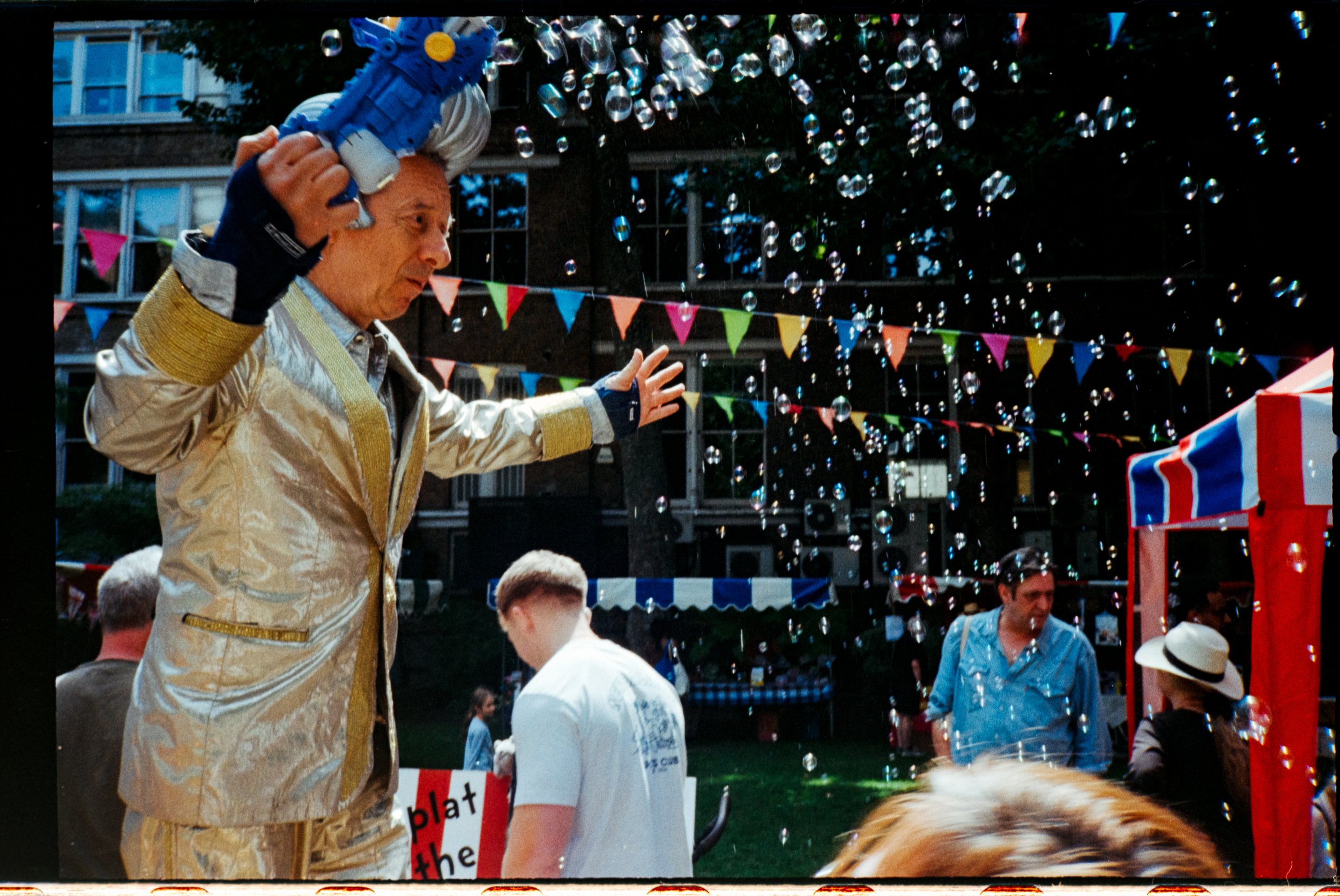
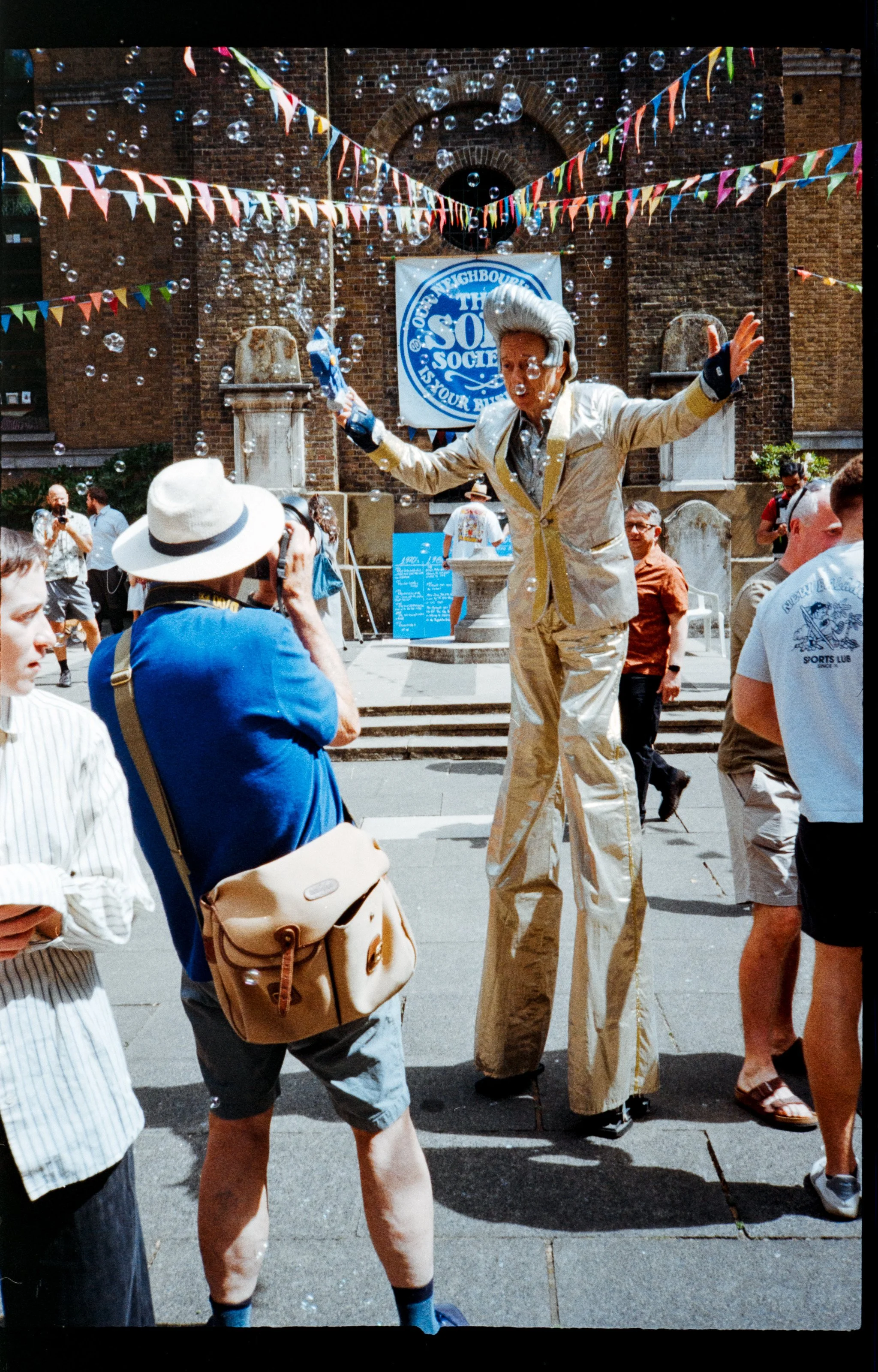
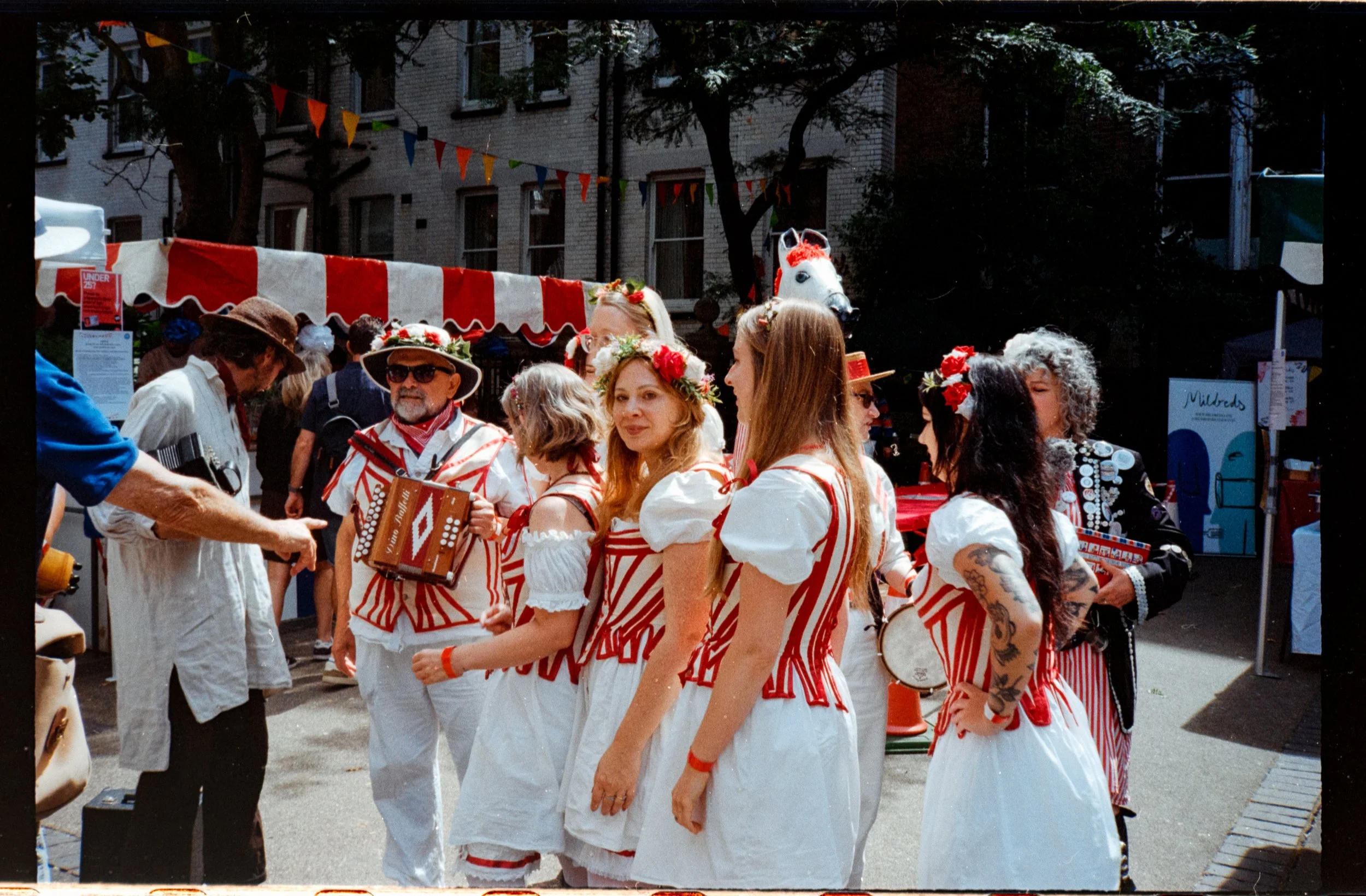
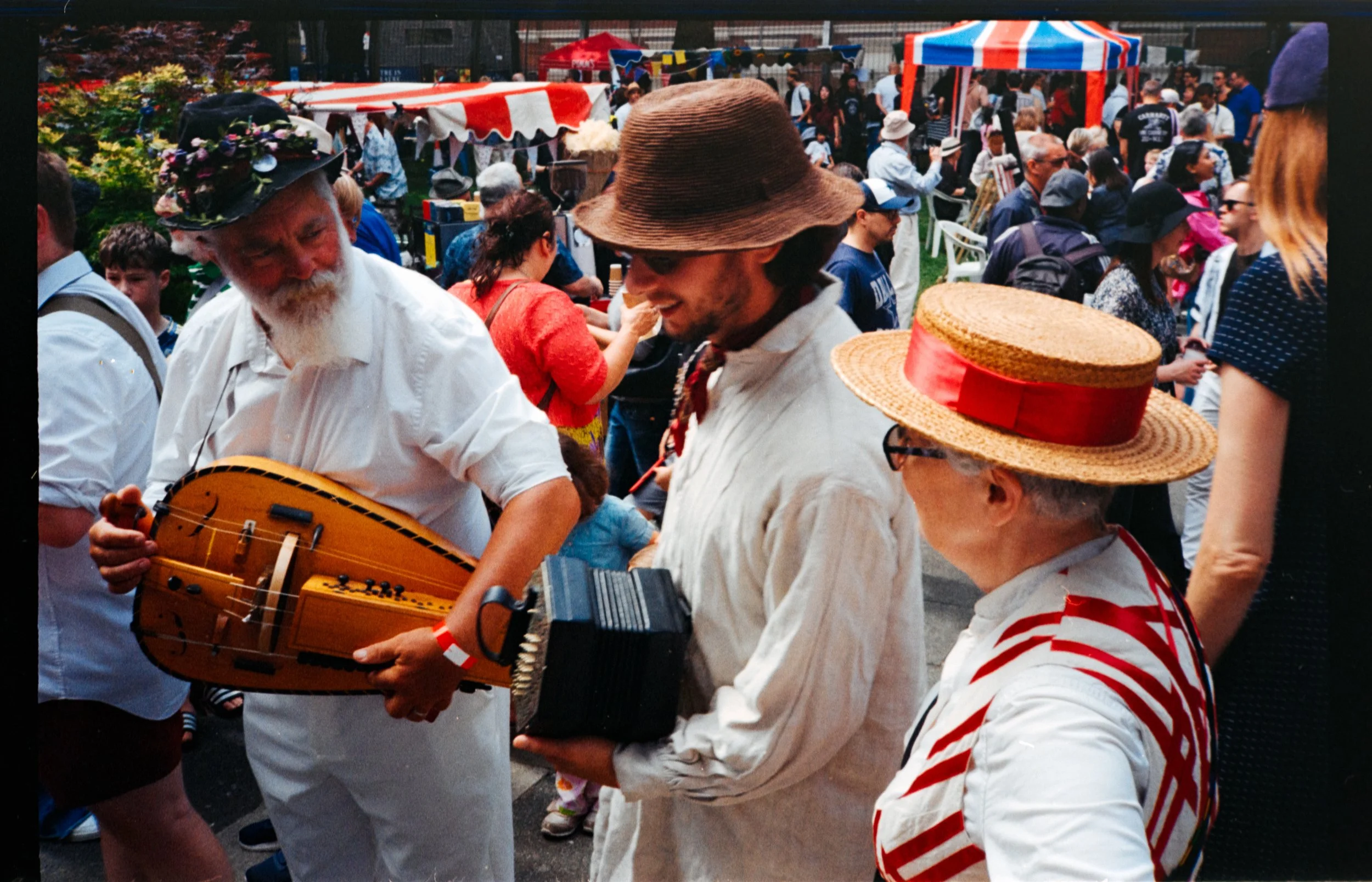
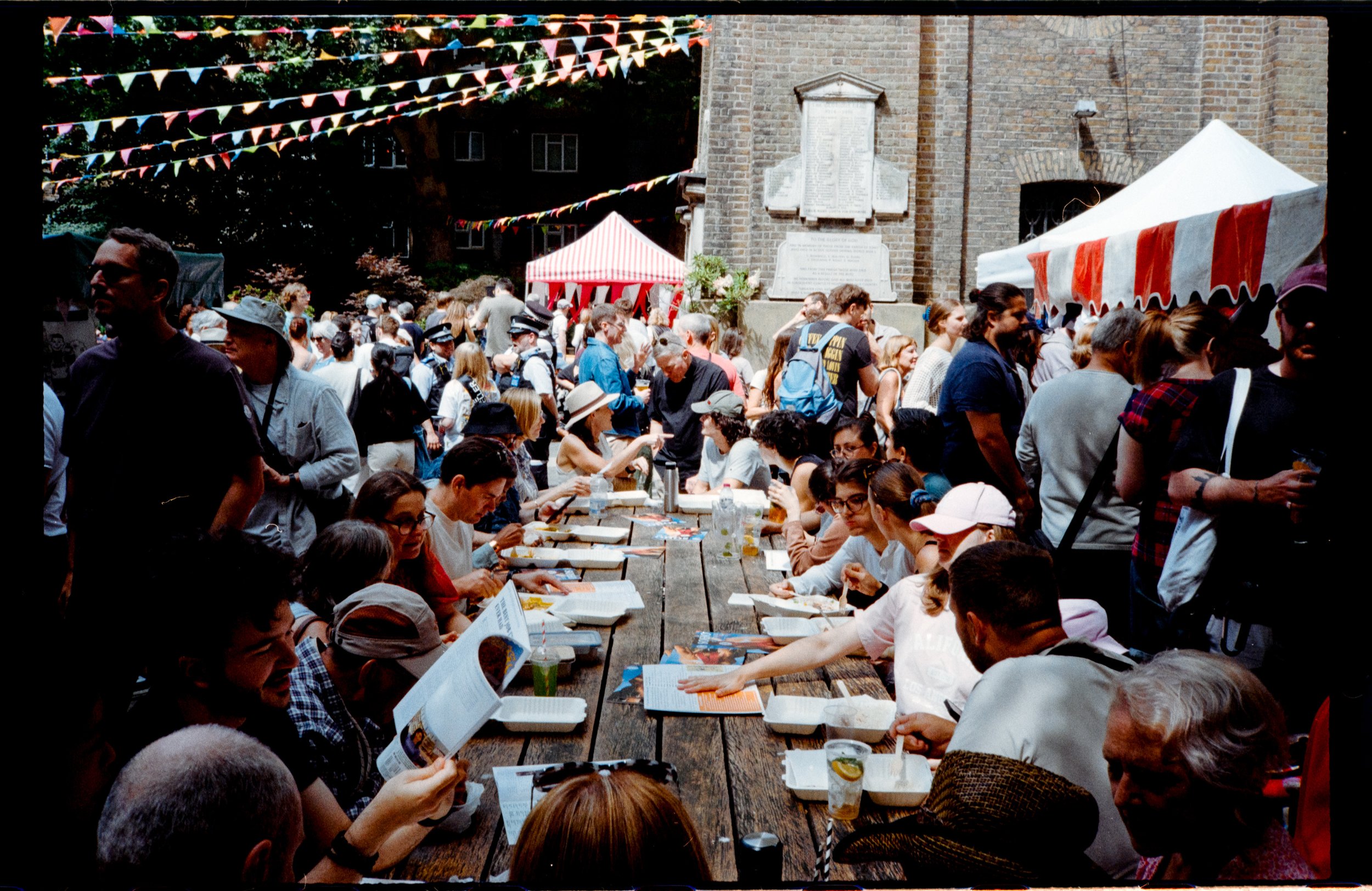
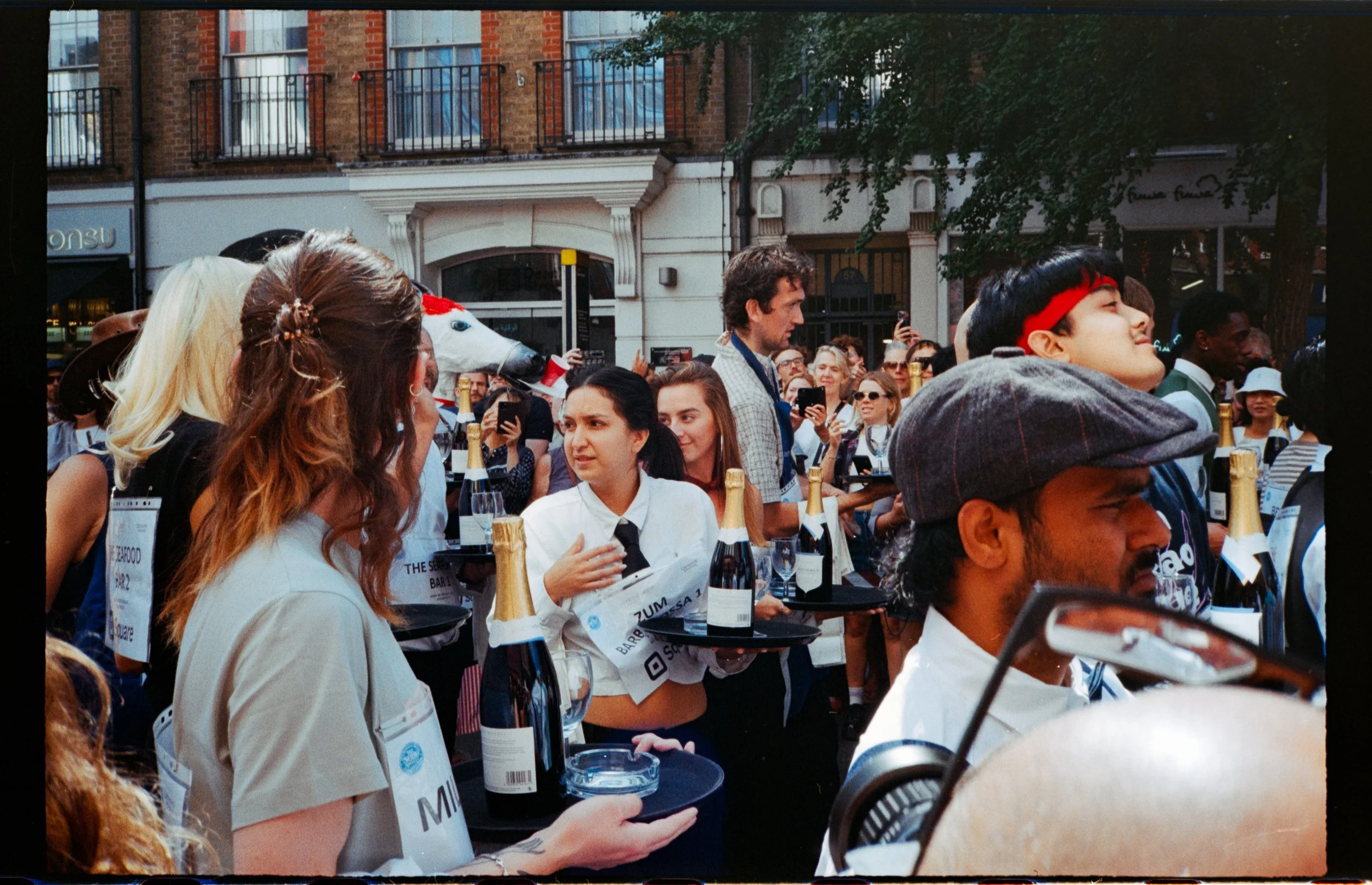
The palette is the thing everyone mentions, and everyone is right to. Gold renders the world the way memory does — skin a shade healthier than it was, evenings more golden than the meteorological record will support, the whole scene lit as though the past had employed a flattering cinematographer. The purist objects that this is not accuracy. The purist is correct, and has missed the point with the unerring aim purists reserve for points. Nobody photographs a barbecue in pursuit of accuracy. They photograph it in pursuit of the barbecue as it ought to have been, and Gold, at a few pounds a roll, delivers precisely that gentle perjury.
Technically, one is obliged to report, it is nothing remarkable. The grain at 200 speed is present the way a supporting actor is present: doing honest work, occasionally noticed, never thanked. The latitude is generous to a fault — you can overexpose it by two stops with the serene confidence of a man who has not read the manual, and the film will quietly cover for you, like a good butler disposing of the evidence. Underexpose it and it sulks, going muddy in the shadows, but then so do we all when given too little light to work with.
The temptation is to condescend to Kodak Gold, to call it a beginner's film, and the temptation should be resisted with whatever force remains after resisting the others. The great snapshots of the late twentieth century — the squinting relatives, the dogs mid-leap, the birthday cakes ablaze like small municipal emergencies — were made on this stuff, by people who wouldn't have known an f-stop from a bus stop, and the pictures have outlived most of the arguments about how pictures should be made. A film that forgives everything and flatters everyone is not a compromise. It is a philosophy, and at the price, very nearly a charity.