The Nikon F2
Buy one if you like carrying heavy things….
he Nikon F2: buy one if you like carrying heavy things…….
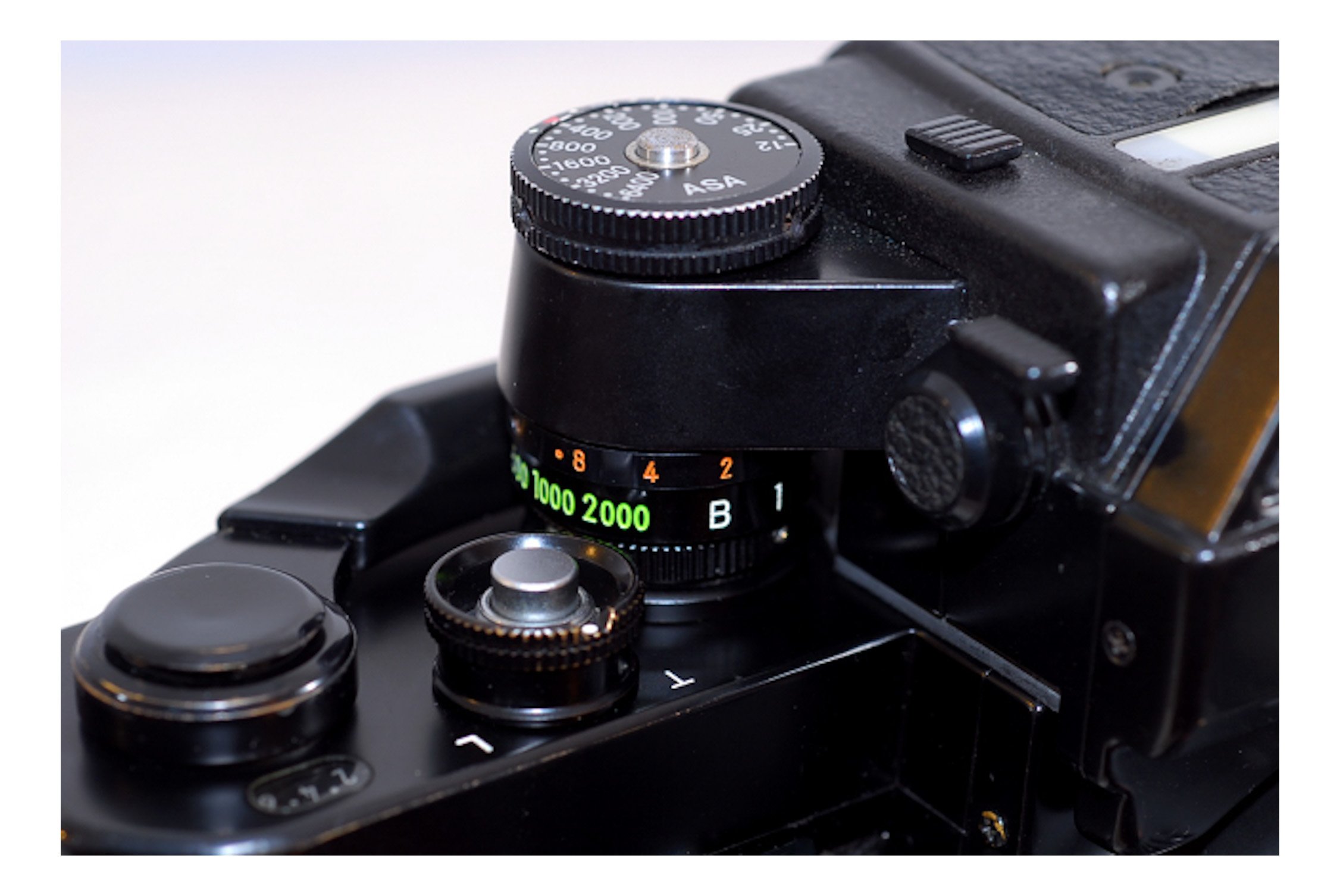
So I bought a Nikon F2. I’d like to say there was a reason for this, some carefully reasoned progression of my craft, but the truth is I saw one in a shop window in a town I had no business being in, and forty minutes later I owned it, and the only thought in my head as I handed over the money was that it looked like something you could use to level a camper van you wanted to sleep in. It weighs 840 grams before you put a lens on it. With a 50mm f/1.4 attached it comes in at something over a kilogram, which is roughly the weight of a healthy cat, except the cat doesn’t have a shutter speed that goes up to 2000 and won’t outlive you. Nikon made these from 1971 to 1980, and they made them by hand, in a factory in Japan, staffed by people who had evidently been briefed that the camera would be used exclusively in war zones, monsoons, Australia and by men who cannot be trusted around staircases/alcohol.
The thing that gets you is the shutter. It’s titanium, it travels horizontally, and it goes to 1/2000th of a second, which in 1971 was a genuinely outrageous claim and is still, in a world where my phone can pretend to do anything, faintly moving. It’s also entirely mechanical, meaning that if every battery on Earth were to fail simultaneously — and I’ve thought about this more than a norma adult should — the F2 would carry on working with an insulting lack of concern. The self-timer doubles as a way of doing long exposures, an idea so elegant that you wonder why nobody thought of it again. There are interchangeable prisms, so you can have the DP-1, or the DP-11, or, if you’ve done well in life, the DP-12 with its aperture-direct-readout, and I will confess that I did not know what any of these letters meant when I bought mine and I’m not entirely confident now. Mine has a meter that works, which I regard as a bonus feature, like heated seats.
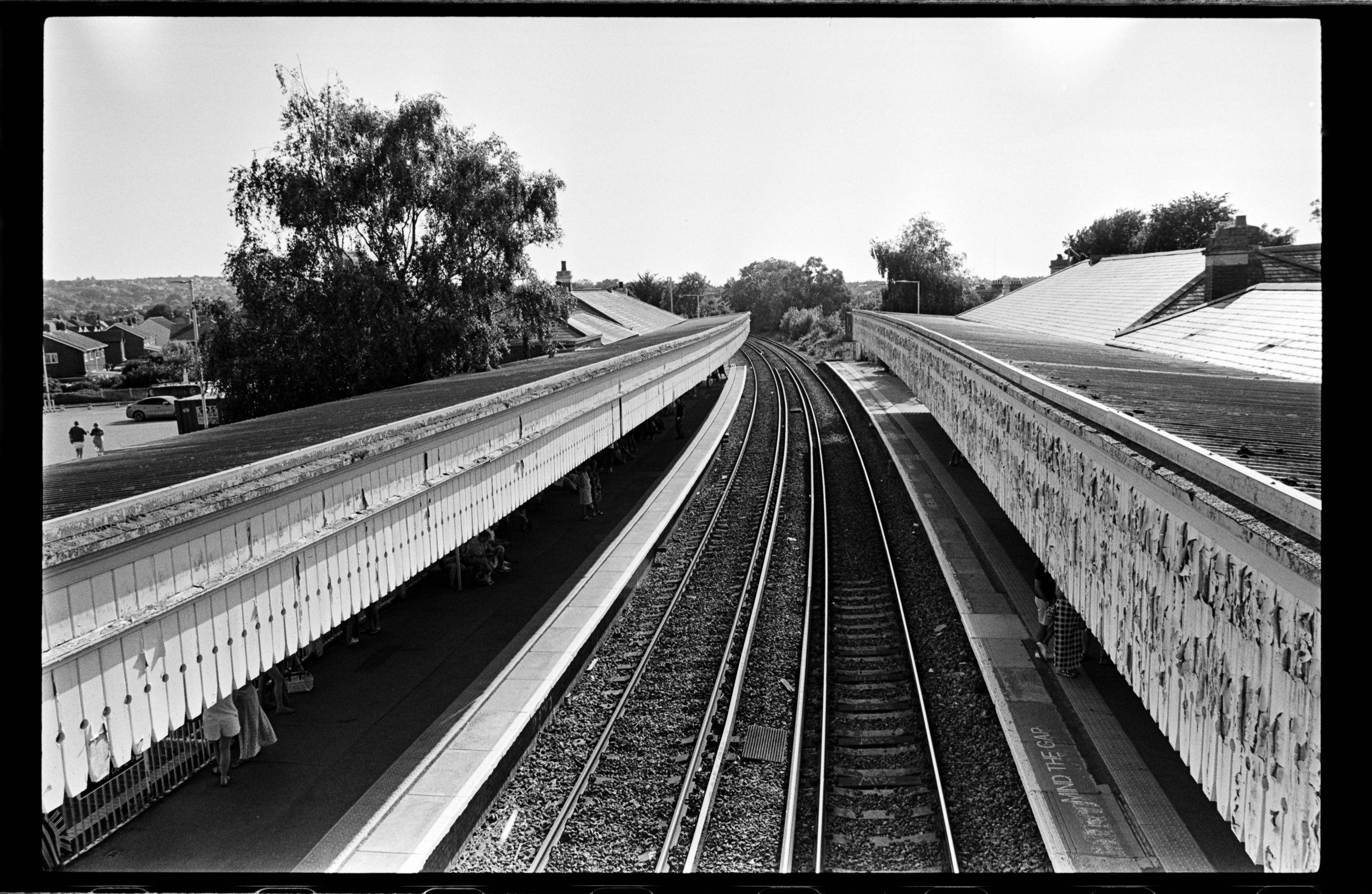
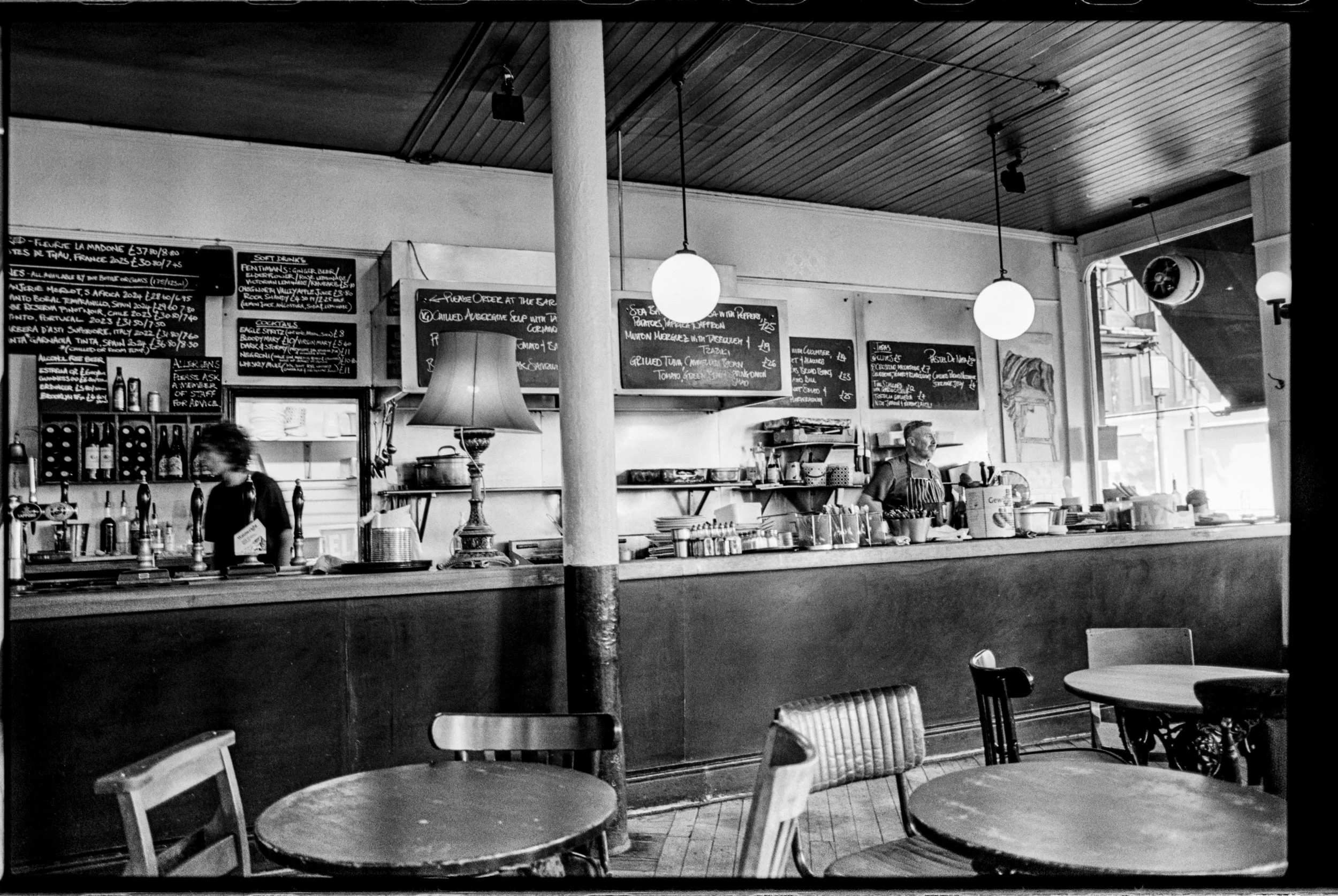
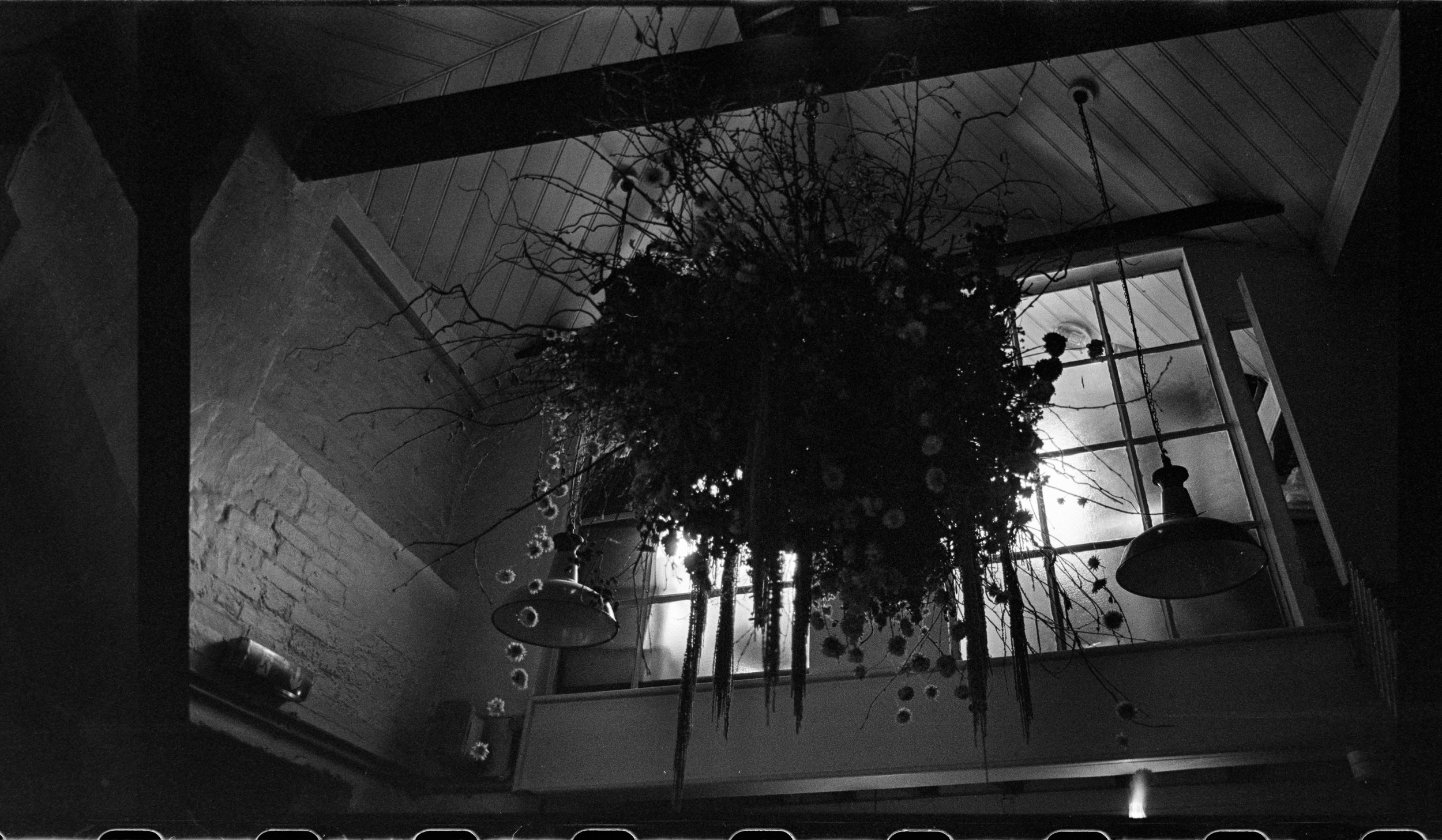
I took it out for a few rolls. The advance lever is the best I’ve ever used — short, damped, and with a sound at the end of it like a bank vault being politely closed — and the mirror lock-up works, and the hinged back means you can load it in about eleven seconds once you’ve stopped being nervous about it. And here I have to be honest with you, because this is the part of these pieces where I’m supposed to tell you the camera transformed my photography, and it didn’t. The pictures look exactly like the pictures from every other camera I own. They are photographs of a car park, some pigeons, and my friend Dave squinting. The F2 renders Dave’s squint with the same fidelity as a £30 point-and-shoot from a charity shop, and no amount of titanium changes that.
Which is, I think, one of the main points, and the reason I’ve kept it. The Nikon F2 is not a camera that makes you a better photographer; it is a camera that refuses to become the excuse. It will not run out of batteries, it will not jam, it will not develop a mysterious electronic fault that requires posting it to a man in Kent (or Sover Wong – if you know you know) , and it will still be working in eighty years when I am compost and Dave has stopped squinting for good. Every failure it produces will be, unambiguously and permanently, mine. That is either the most liberating thing you can ask of an object or the most damning, and after a few months with it I still can’t decide. Anyway. Good camera. Buy one if you like carrying heavy things that don’t scratch