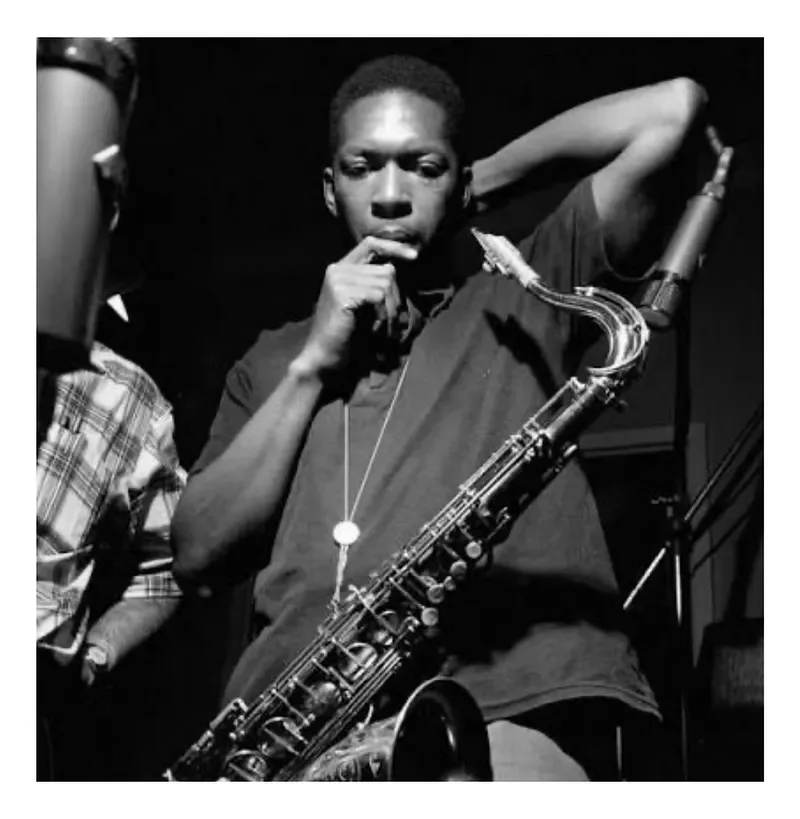
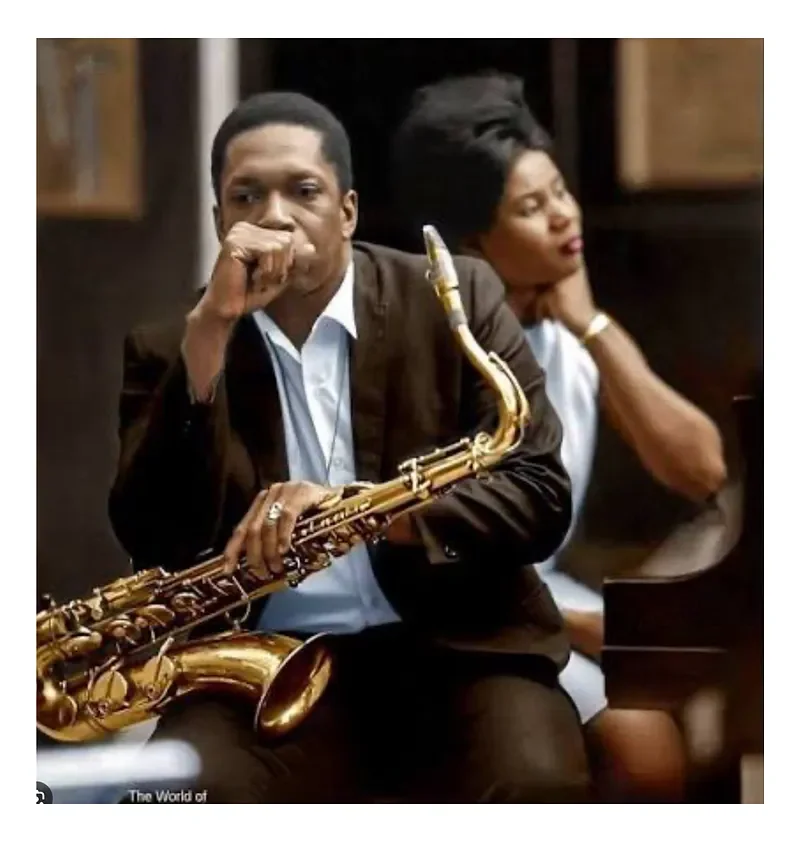
The Sun Also Rises for John Coltrane
Jazz v Literature No.1
September ‘26
The Sun Also Rises on John Coltrane. A Contrast on their 100th Birthdays……

No one seems to enjoy reading about Coltrane but I like writing about him.

John Coltrane turned a hundred on Wednesday, and The Sun Also Rises will do the same next month, which makes 1926 one of those vintages that the cellar-master mentions in a hushed voice while overcharging you. Coltrane was born in Hamlet, North Carolina, a name no novelist would dare invent for a man who spent his career asking the saxophone whether it was nobler to play one note or all of them. Hemingway's novel was born in Scribner's offices in New York, though it had been conceived in the cafés of Montparnasse, where young Americans with private incomes were busy discovering that despair looks better with a view of the boulevard. One birthday gave the world a man. The other gave it a pose. To be fair to the pose, it has been copied by more people than ever learned to play "Giant Steps," mainly because the pose requires only a moleskin notebook and an unearned air of having been wounded.

The two centenarians could hardly be further apart in method. Hemingway believed that the art lay in what you left out, and he pruned his sentences until they stood there like winter vines, admirable and faintly accusing. Coltrane believed that the art lay in what you put in, and then in putting it in again at twice the speed. The critics called it "sheets of sound," a phrase that suggests laundry but was meant to suggest Niagara. Hemingway's characters drink so that they won't have to talk about anything. Jake Barnes, Brett, Bill and the unfortunate Cohn move from Paris to Pamplona in a haze of absinthe and Fundador, circling the unmentionable like moths around a bulb they have been told not to name. Coltrane put down the bottle and the needle in 1957, then spent the next decade saying everything as if the silence had been a debt. By A Love Supreme he had gone past saying everything and was addressing God directly, a correspondent Hemingway preferred to contact through bullfighters.

The honest question at any centenary is which party has aged better, and here the jazzman wins on points and possibly by knockout. The novel still has its bruised glamour, and its closing irony about how pretty things are to think about is as good an exit line as American fiction ever managed. But the treatment of Robert Cohn now reads less like character study and more like a dinner-party remark you'd pretend not to have heard. The sunset over the fiesta has faded to the tint of an old postcard. Coltrane, meanwhile, still sounds like the future arriving early and refusing to take its coat off. Hemingway lived to sixty-one and spent the last stretch of it impersonating Hemingway, with diminishing returns. Coltrane was gone at forty and was still becoming someone else on the final recordings, which is the one trick no birthday cake can match. The sun also rises, the book assures us. Coltrane just got up earlier………
The Images below are by Friedlander…….but that is another story