The Man Who Photographed Ten Miles
I mentioned the anthropology of supermodernity, but I think I got away with it…….
James Ravilious
There is a village in North Devon called Dolton, which you have almost certainly never heard of and which, by any reasonable measure, has no business being among the most exhaustively documented patches of ground on the planet. It got there by a sequence of accidents so improbable that if you put it in a novel your editor would quietly draw a line through it.
A young art teacher named James Ravilious — second son of Eric Ravilious, the war artist who flew off the coast of Iceland in 1942 and never came back, leaving James not quite three and permanently in the shadow of a man he couldn’t remember — was living in a London flat in 1972 when the council decided to knock it down. His wife Robin, daughter of the glass engraver Laurence Whistler, happened to have been given a small cottage on her family’s estate near Dolton. So they went. And it happened that the arts centre in the next village along, at Beaford, had just decided to make a photographic survey of a nearby parish, and had just lost its resident photographer, a promising young man named Roger Deakins who had gone off to film school and would later win an Oscar for shooting Blade Runner 2049. Ravilious wandered in to ask whether they might like some drawing classes. He came out, more or less, as a photographer, a job for which he had no training whatsoever and which he then proceeded to do better than almost anyone in Britain.
What followed was seventeen years and something in the region of 80,000 negatives, nearly all of them made within a ten-mile radius of his own front door. This is a fact I find genuinely difficult to hold in my head. Most photographers spend their lives frantically going somewhere else — Bhutan, Detroit, anywhere with the decent manners to be visually unfamiliar — on the theory that significance lives elsewhere and can be collected like duty-free.
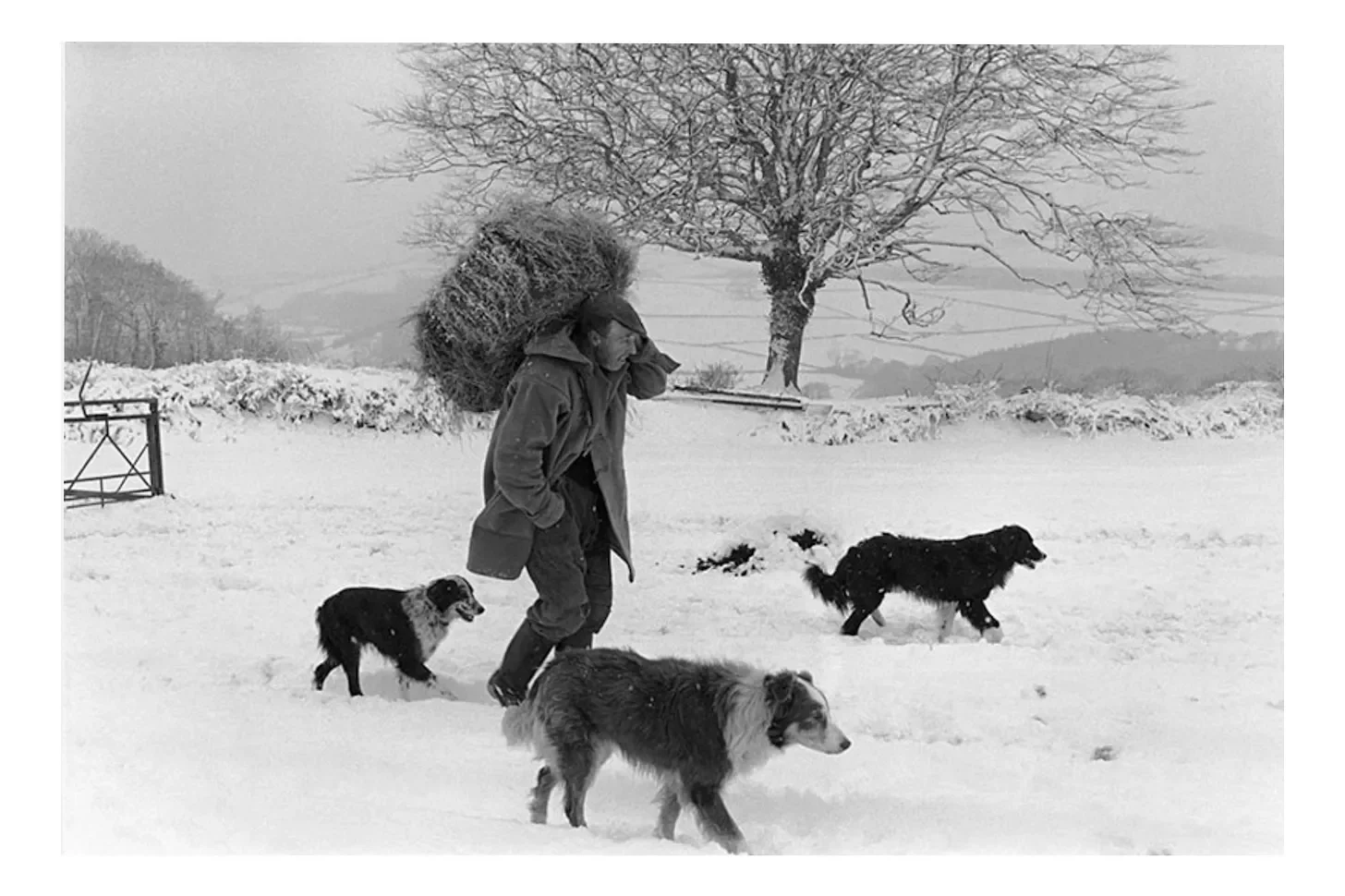
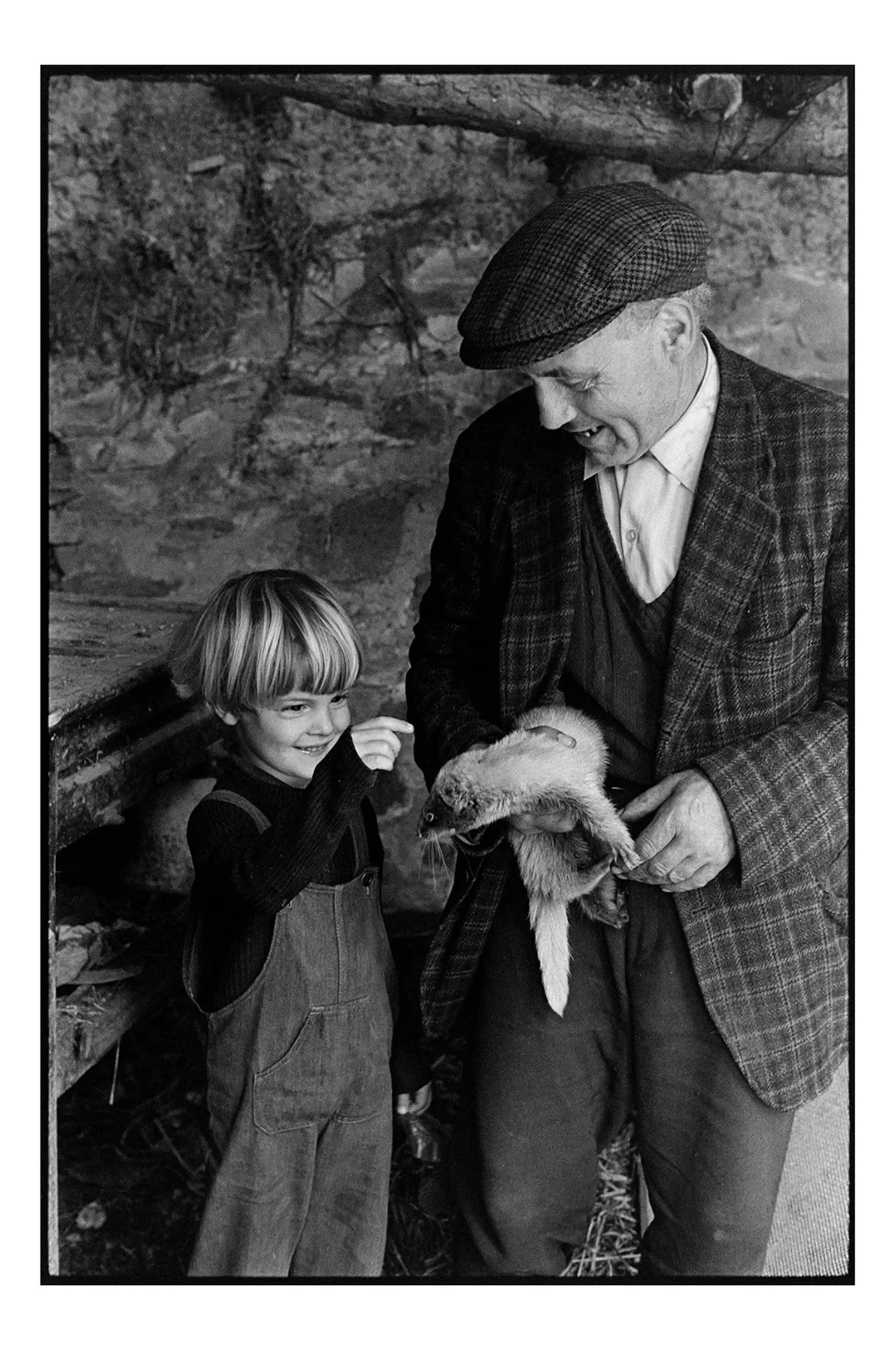
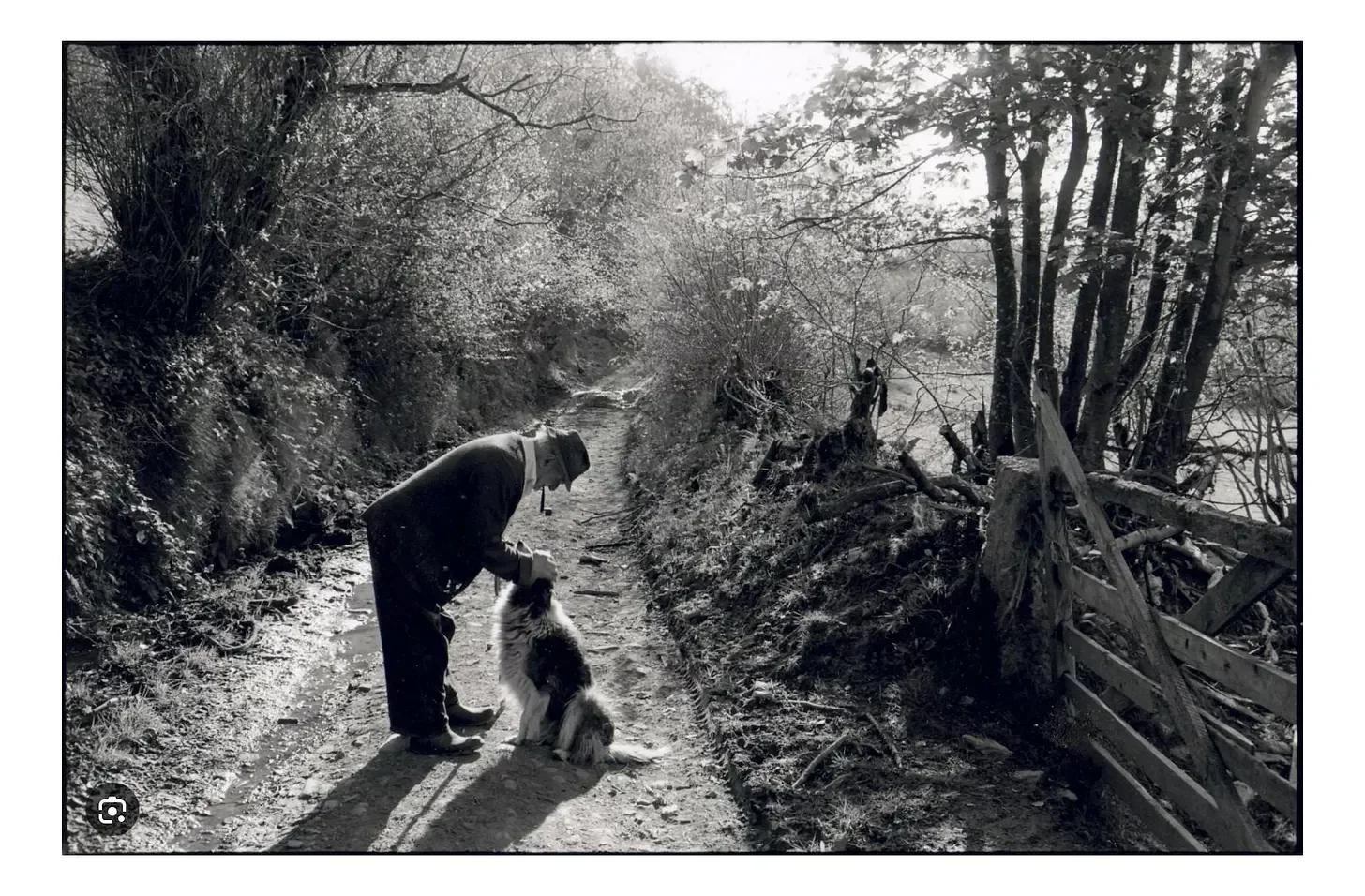
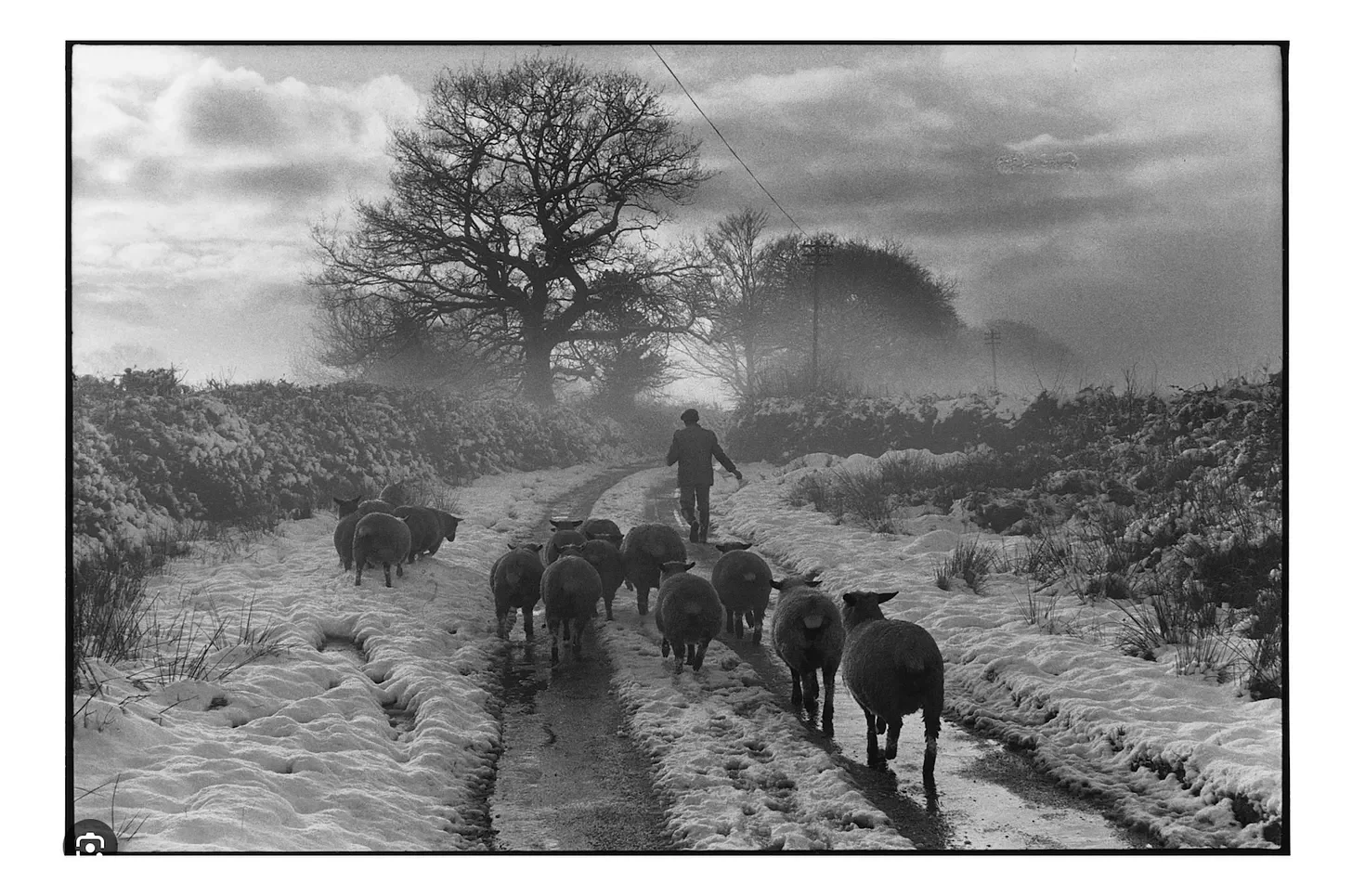
Ravilious drove a battered car down the same sunken lanes for the better part of two decades and found more in them than most people find in a lifetime of airports. He photographed men hedging in the rain and sheep being coaxed down a snowy lane and old farmers whose hands looked like root vegetables, and he did it at exactly the moment when all of it was ending, when the North Devon Link Road was being carved through the hills and the horse-drawn residue of the nineteenth century was giving way to silage and subsidy. He was not a tourist at any of this. He lived among these people, went to their funerals, borrowed and copied five thousand of their family photographs going back to the 1870s, and was so completely unthreatening that they eventually stopped noticing he was there — which is, in the end, the whole trick, and it cannot be bought at any price.
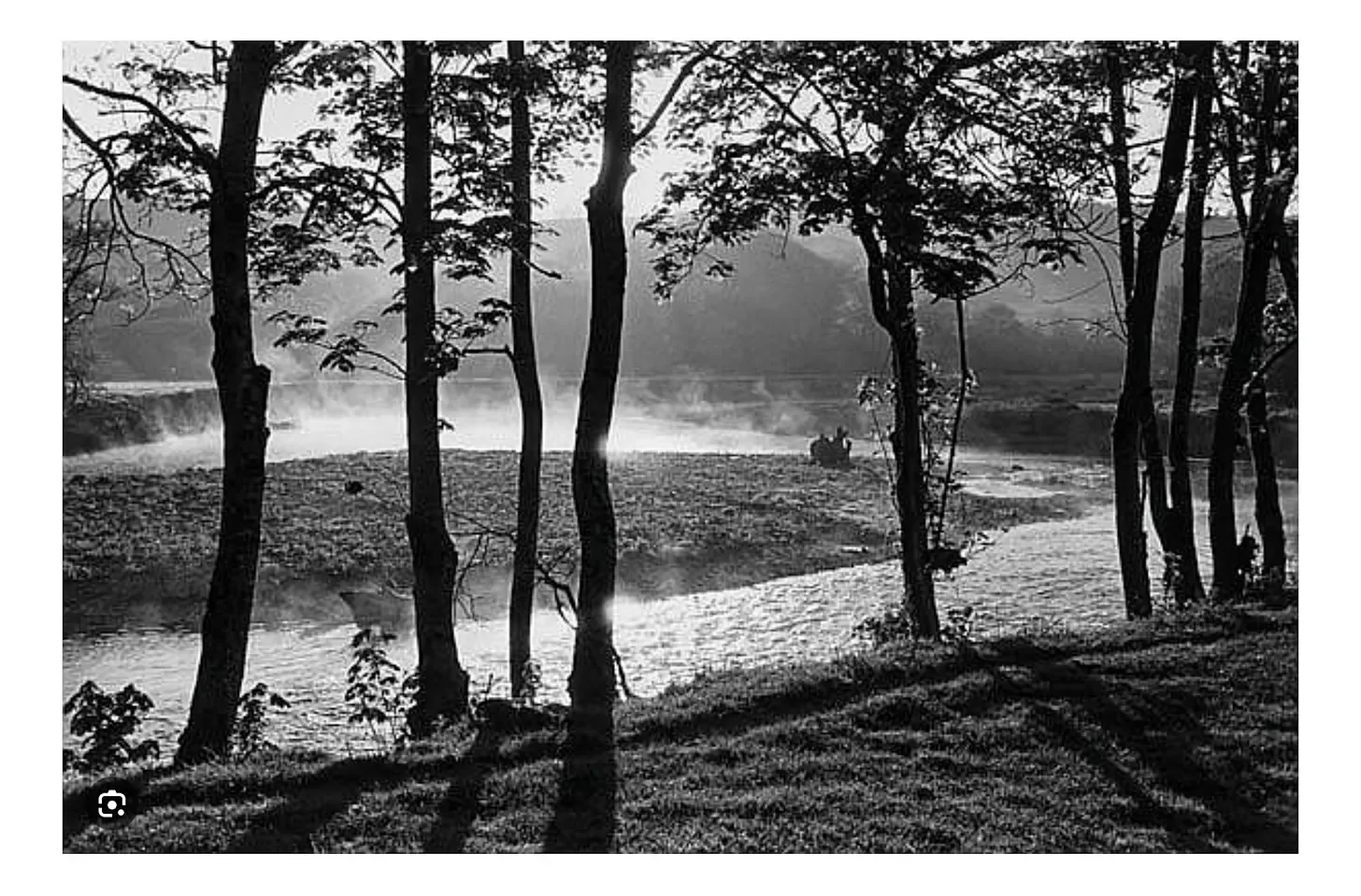
He was also, it must be said, a magnificent crank about equipment, and here I feel a certain kinship. Ravilious wanted his pictures to look the way Devon actually looks: silvery, low in contrast, luminous in the shadows, the light coming at you sideways through drizzle. What he got from his perfectly good modern Leica lenses was a biting, glassy contrast he described as alien to what he saw. So he went backwards. He hunted down pre-war uncoated Leitz glass — Elmars, Hektors, the sort of thing that makes contemporary lens designers go pale — and then, because uncoated lenses flare like a struck match when you shoot into the sun, which he did constantly and on purpose, he built his own lens hoods out of black electrical tape. All this is described perfectly by Bayliss (who is his own genius).
He added a light yellow filter. He overexposed and underdeveloped in dilute Perceptol on the advice of a local pro. The result of all this fiddling was not, as you might expect, a mess, but the most quietly beautiful English light that anyone has put on film — and he printed it all himself, in his own darkroom, until a skin condition finally made him stop.
The detail that undoes me, though, is his filing system. Ravilious graded every one of those tens of thousands of frames himself: best, good, fair, poor. There is something almost unbearably English about a man producing a national treasure and then sitting down to mark it like a stack of homework. Beaford let him go in 1990, which now reads like one of the great administrative misjudgements of the century. The lymphoma he’d survived years earlier came back in 1993, and he died in 1999, aged sixty, by which point the Royal Photographic Society had made him an honorary member and Alan Bennett — who else, really — was lending his voice to the appreciation of him. The archive survives, digitised now, and you can sit in a room in London and look at a boy running for the school bus in 1982 and feel an ache that has no obvious cause. He never went anywhere. That in the end was the whole point……….all this is beautifully brought together by Chris Chapman.