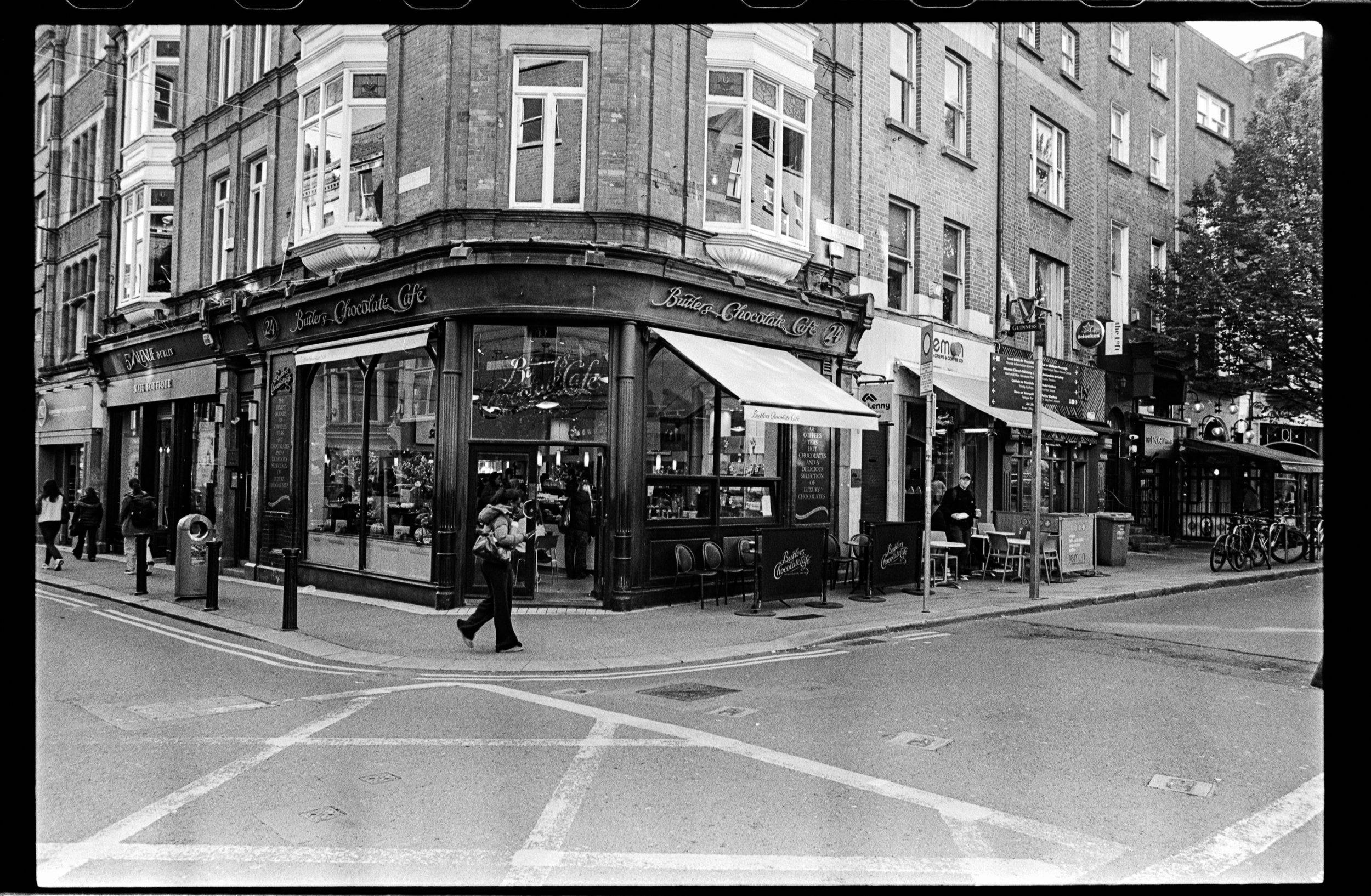
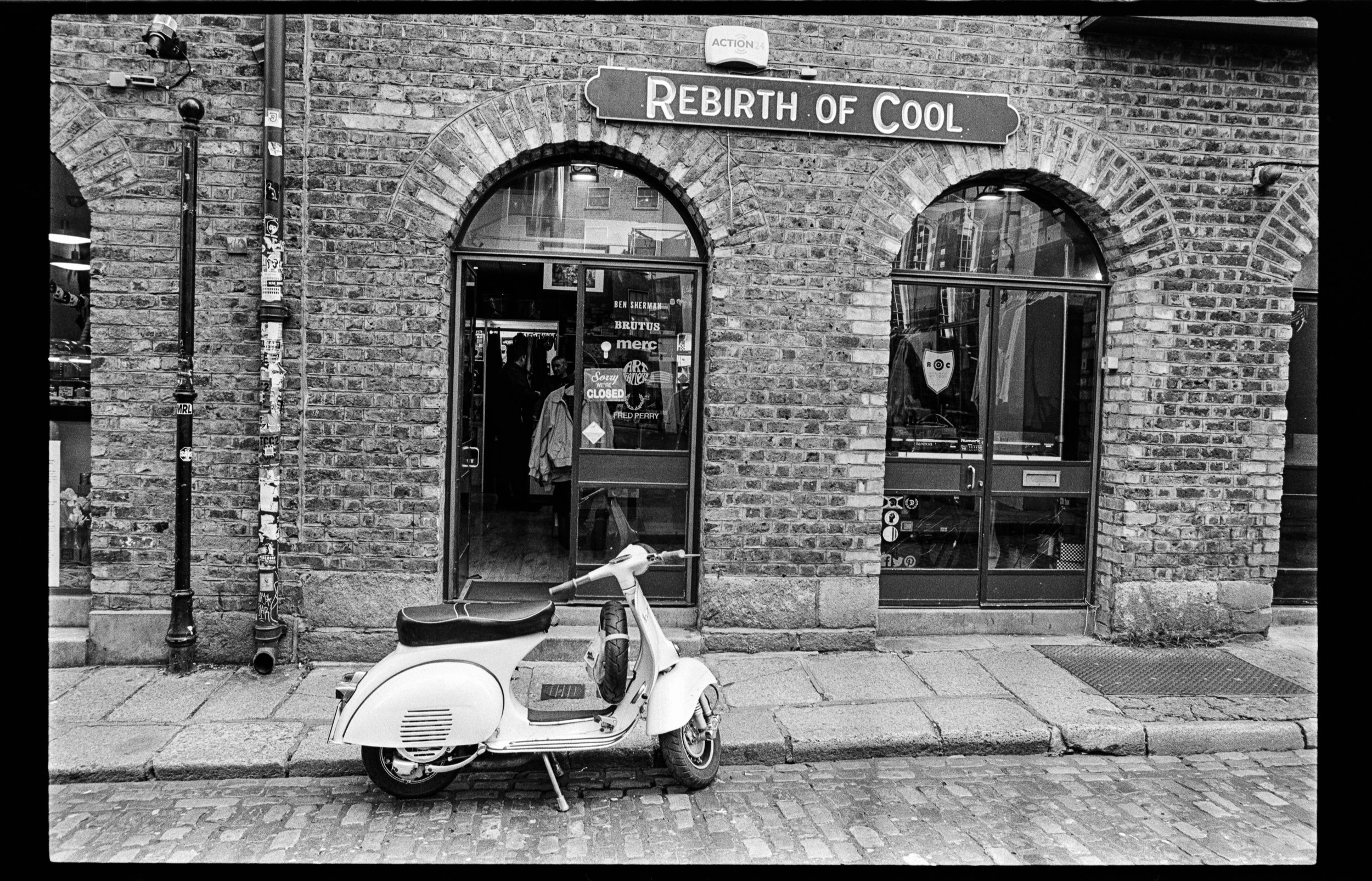
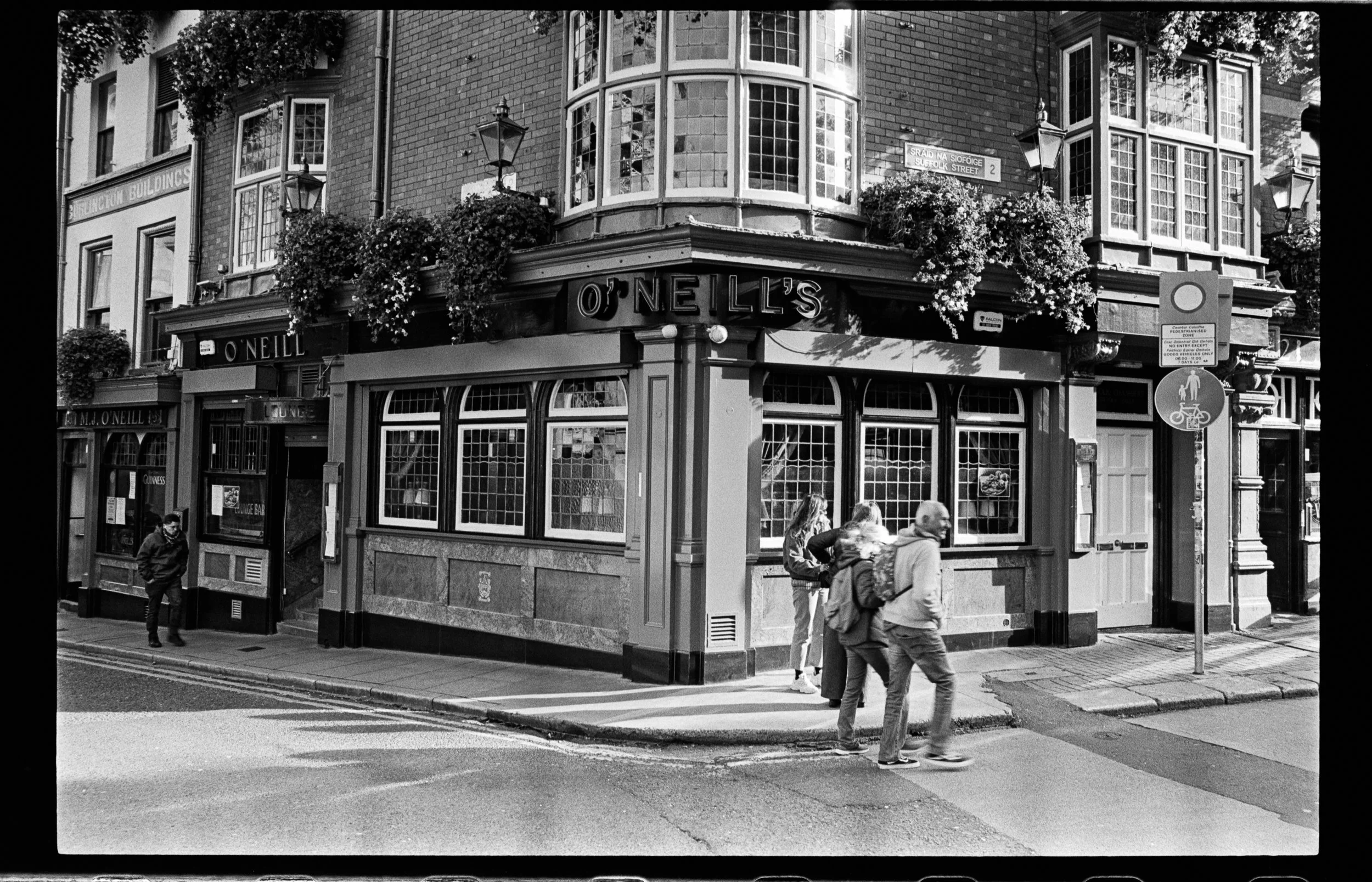
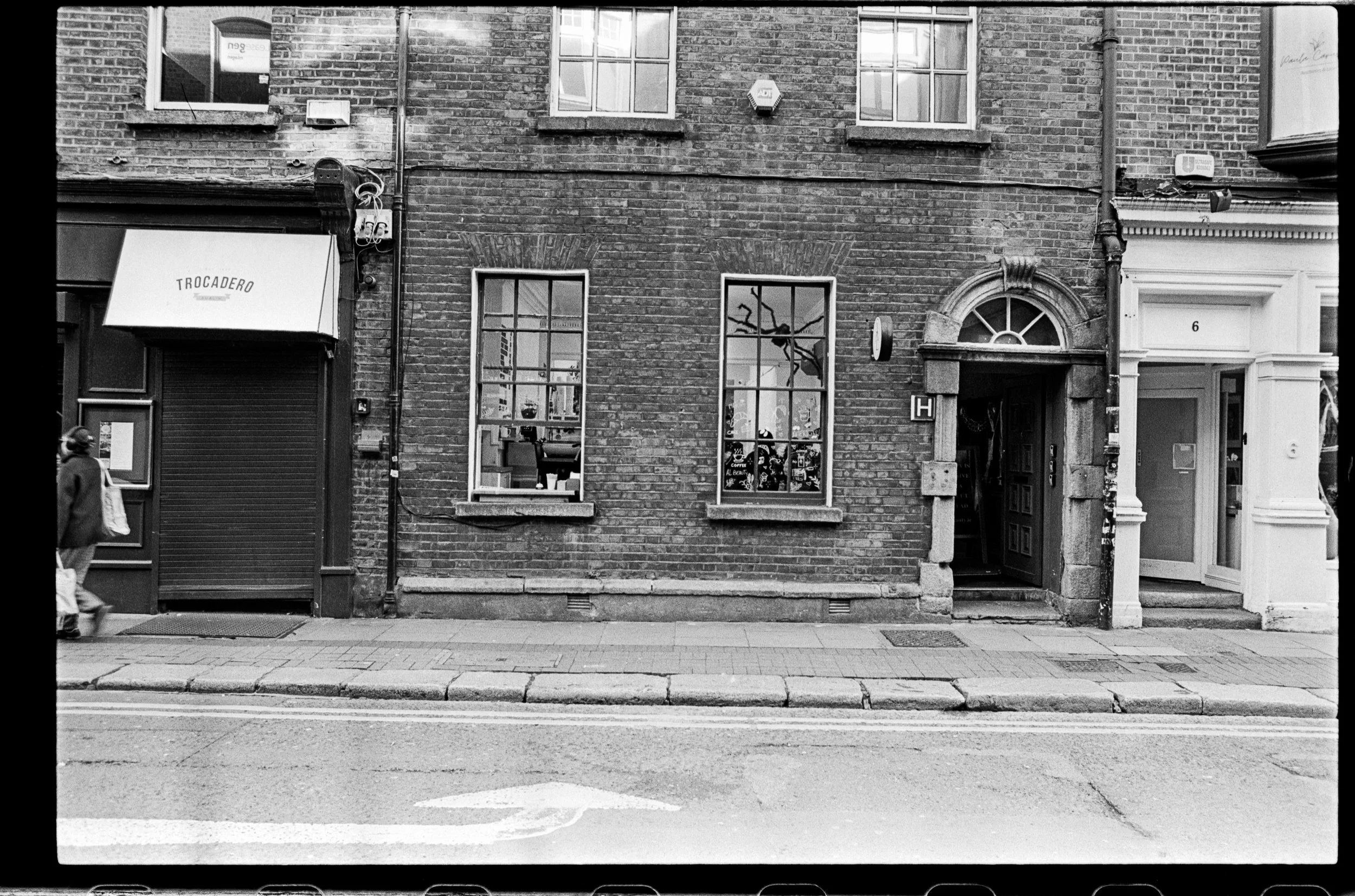
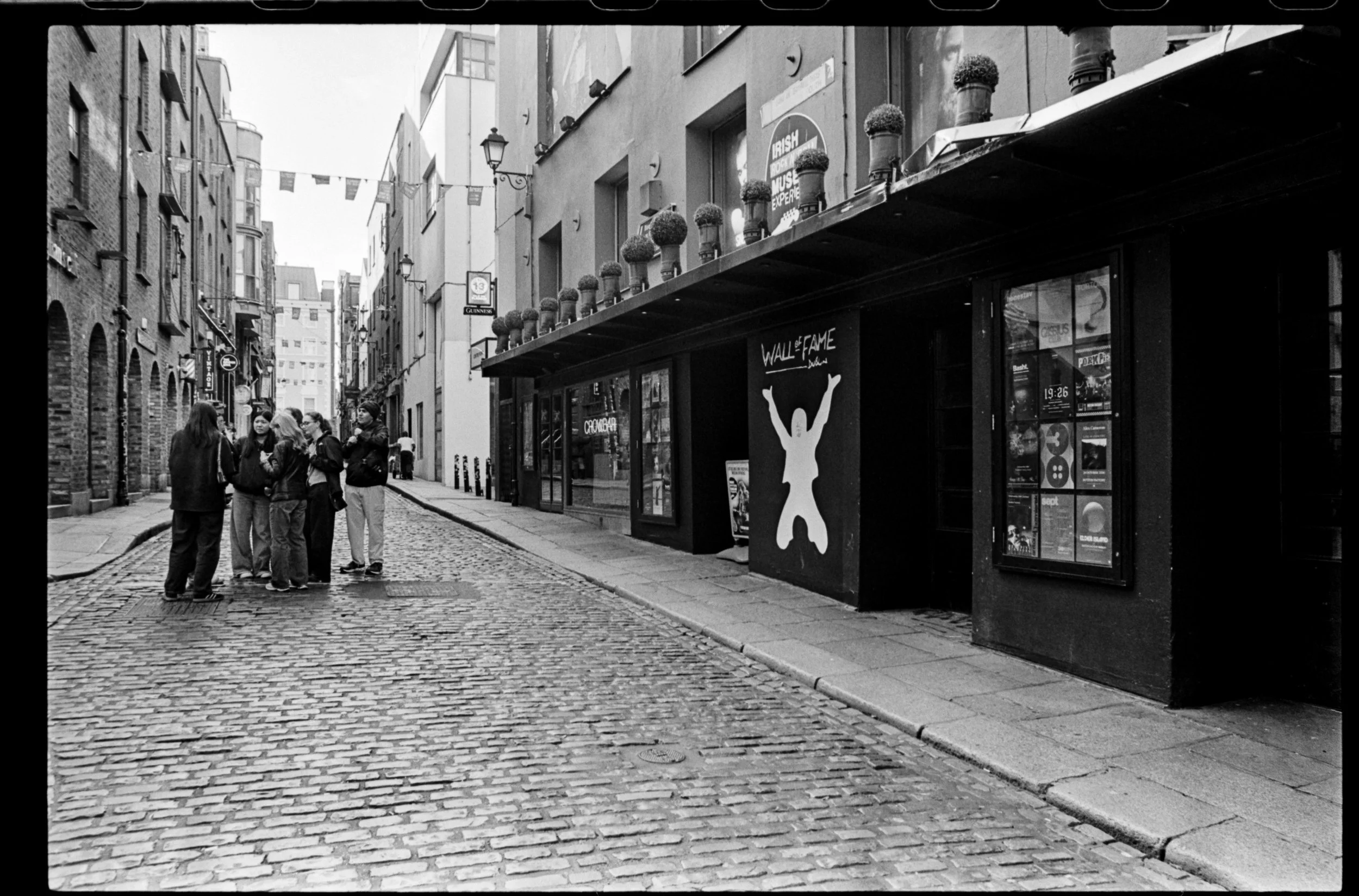
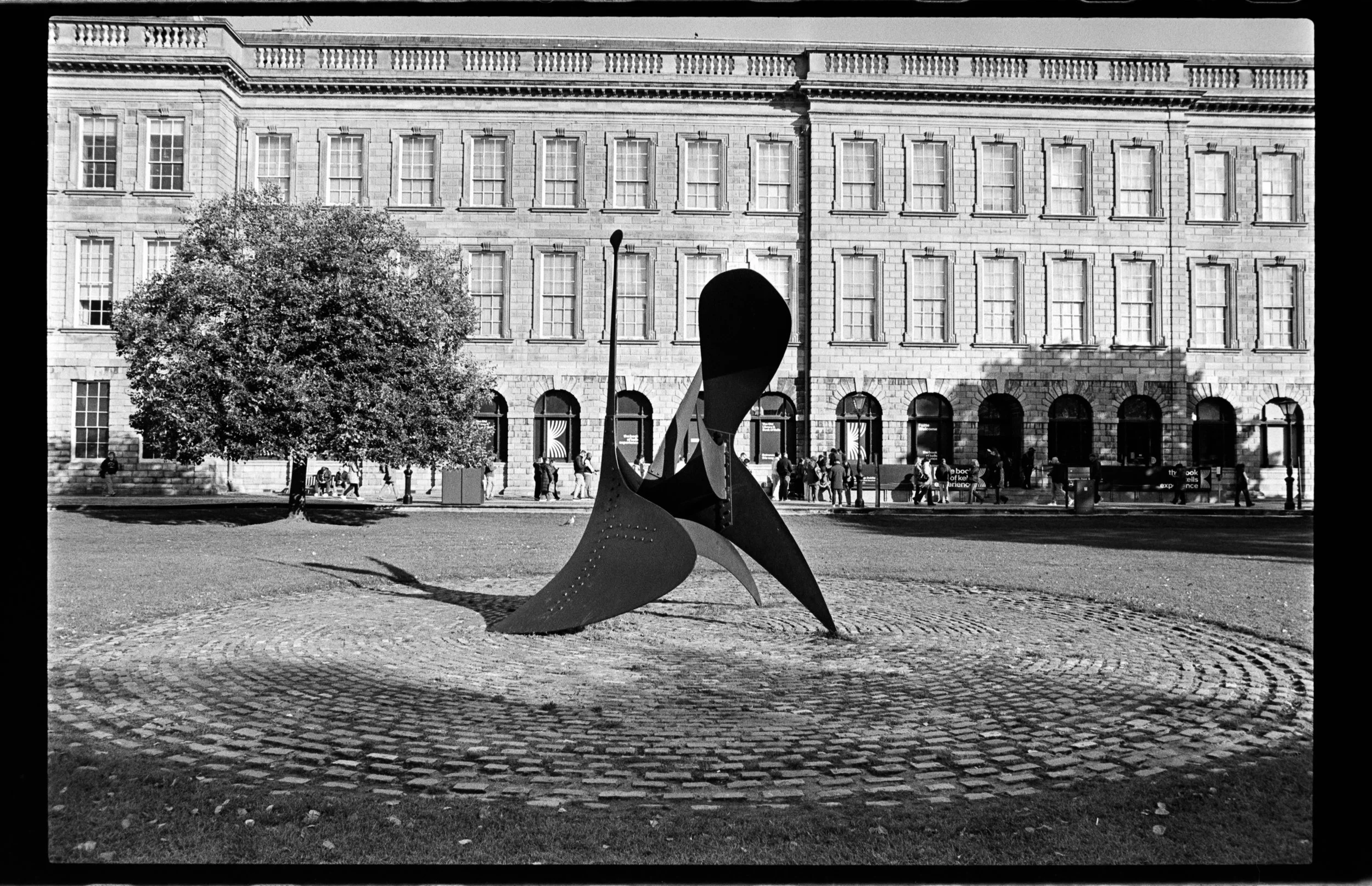
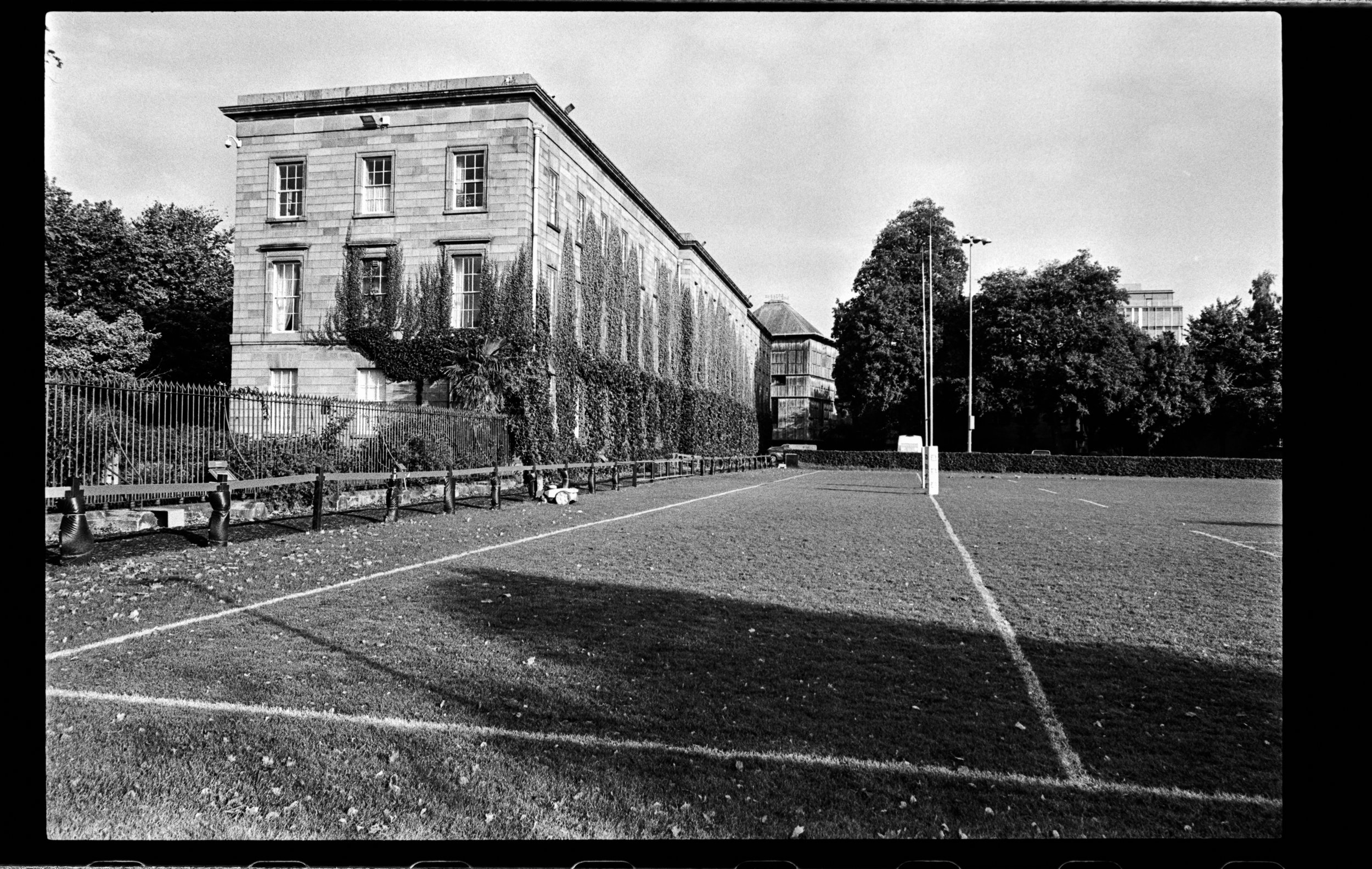
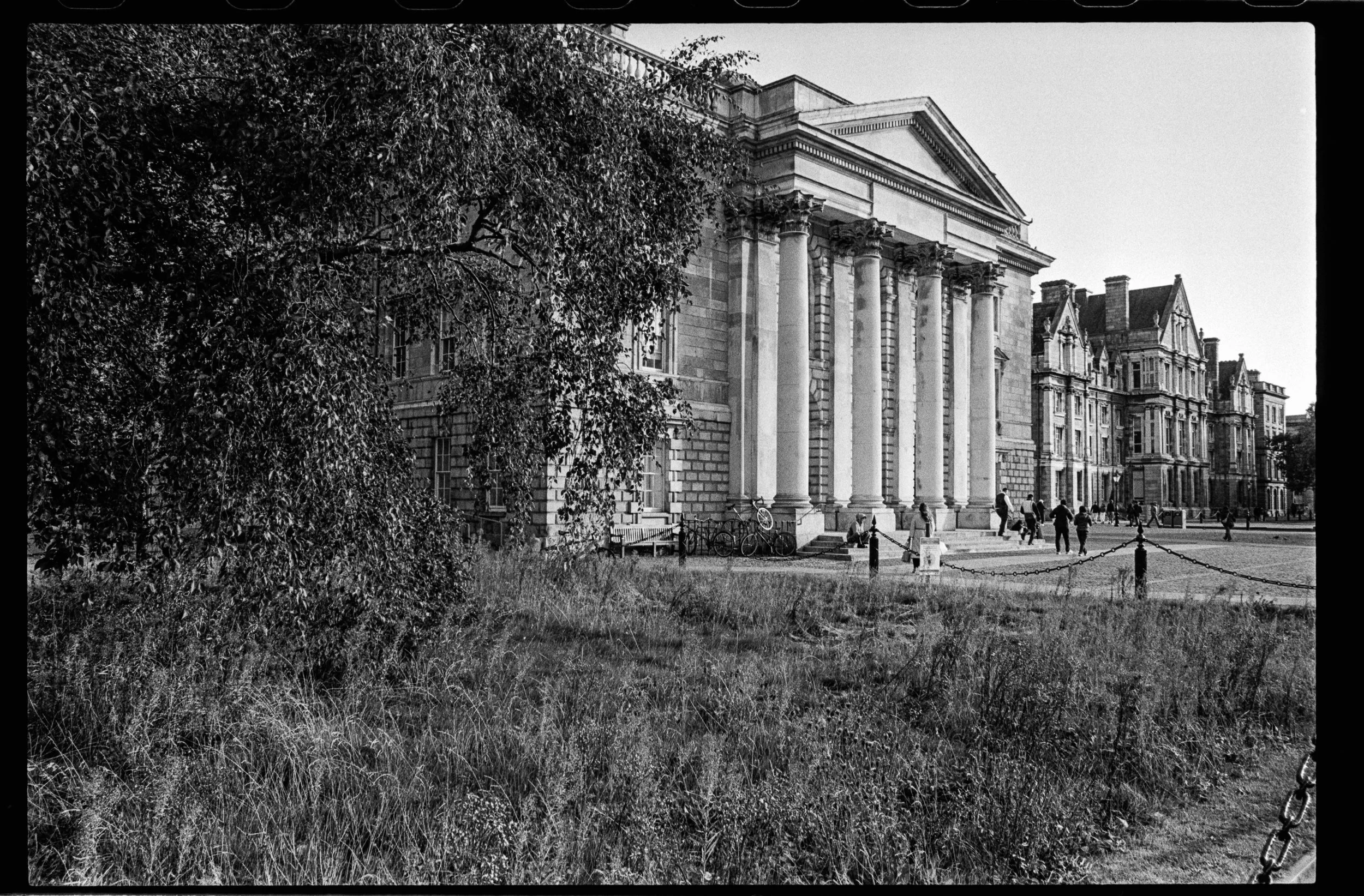
Overcooking HP5 in ID-11
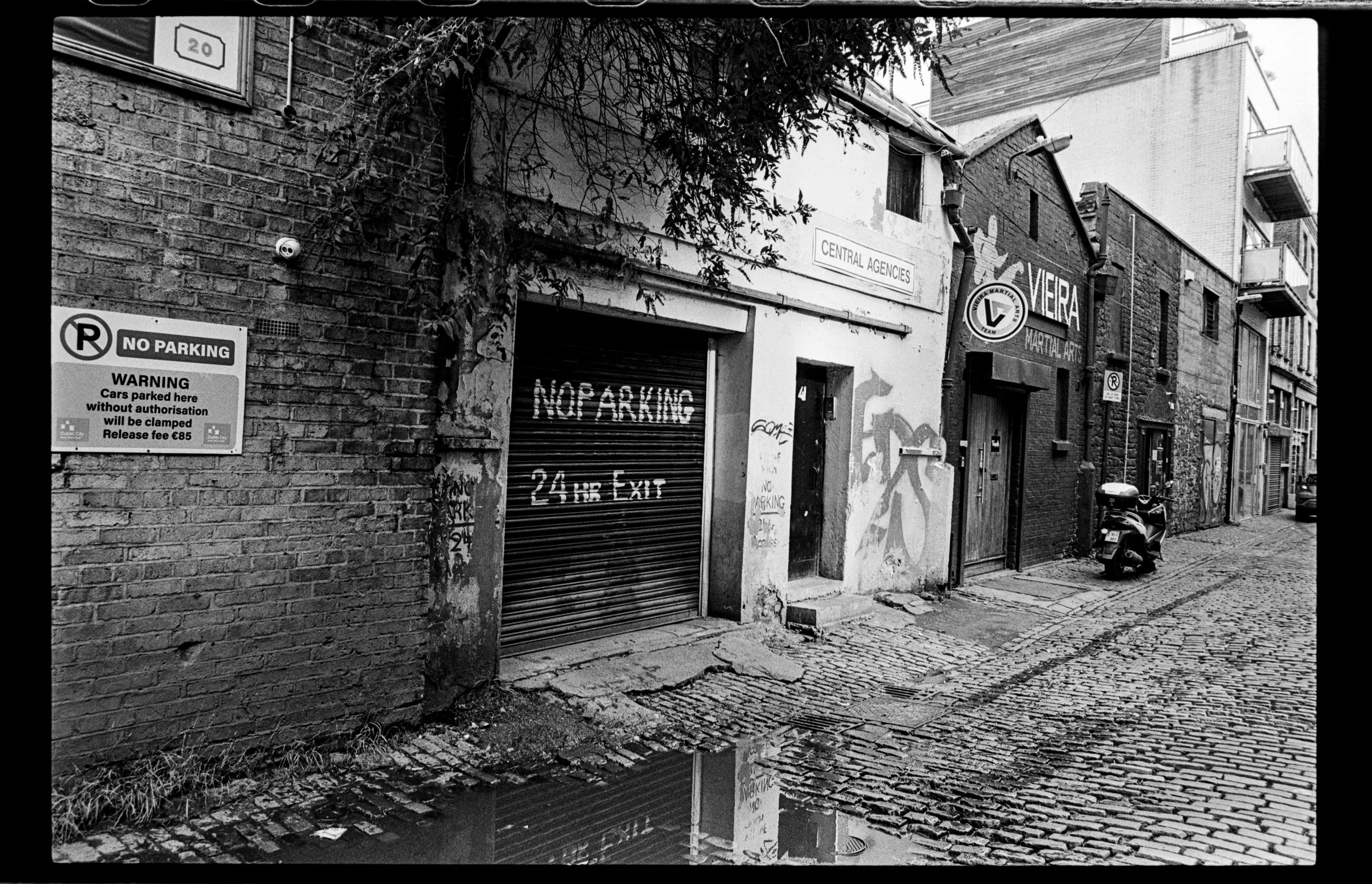
HP5 In Dublin
It’s one of life’s small cruelties that the most important number in film development is also the one you’re least likely to check. I had done everything properly. I’d mixed the ID-11 days in advance, the way the instructions sternly insist. I’d loaded the HP5+ onto the reel in total darkness on only my fourth attempt, which for me is practically a personal best. I’d even set a timer, a cheerful plastic thing shaped like a tomato that I’d been given as a joke and now relied on more than any device I own. What I hadn’t done was dip a thermometer into the developer. It had been sitting on the kitchen windowsill all afternoon, basking in the last warm Sunday of the year, and it had quietly climbed to 24 degrees, like a lizard on a rock.
Here is what nobody tells you about photographic chemistry: it is ferociously, almost vindictively, sensitive to temperature. Four degrees doesn’t sound like much. In ordinary life it’s the difference between a pleasant day and a slightly more pleasant one, and nobody has ever ruined anything by stepping outside at 24 degrees instead of 20. In a developing tank, though, four degrees is the difference between thirteen minutes and something nearer nineteen. My negatives had been sitting in the developer like toast left under the grill while you answer the phone. I realised this only afterwards, standing in the kitchen with the thermometer in my hand and a dawning sense of doom, the way you realise you’ve left the bath running just as the train pulls out of Paddington……
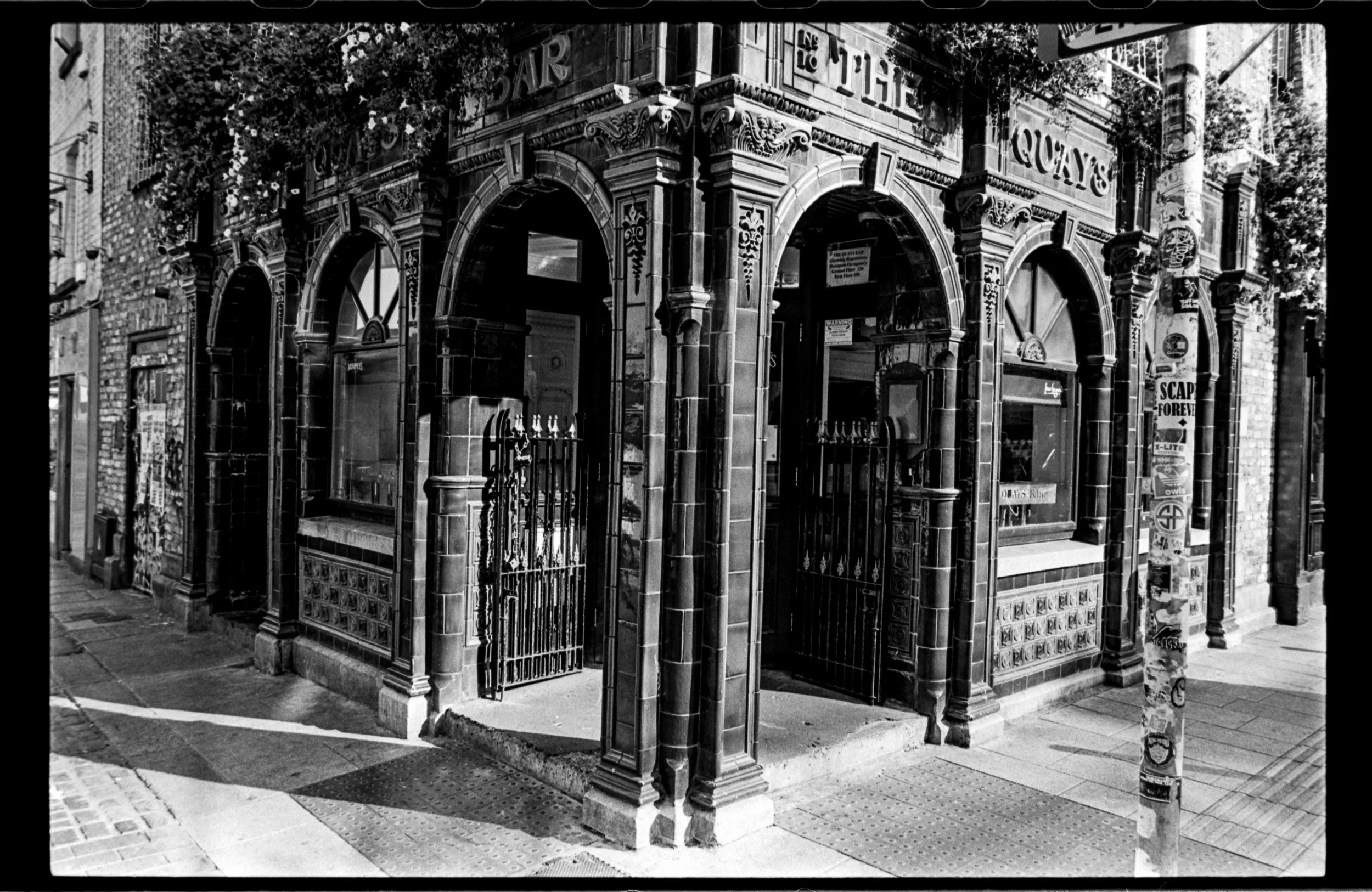
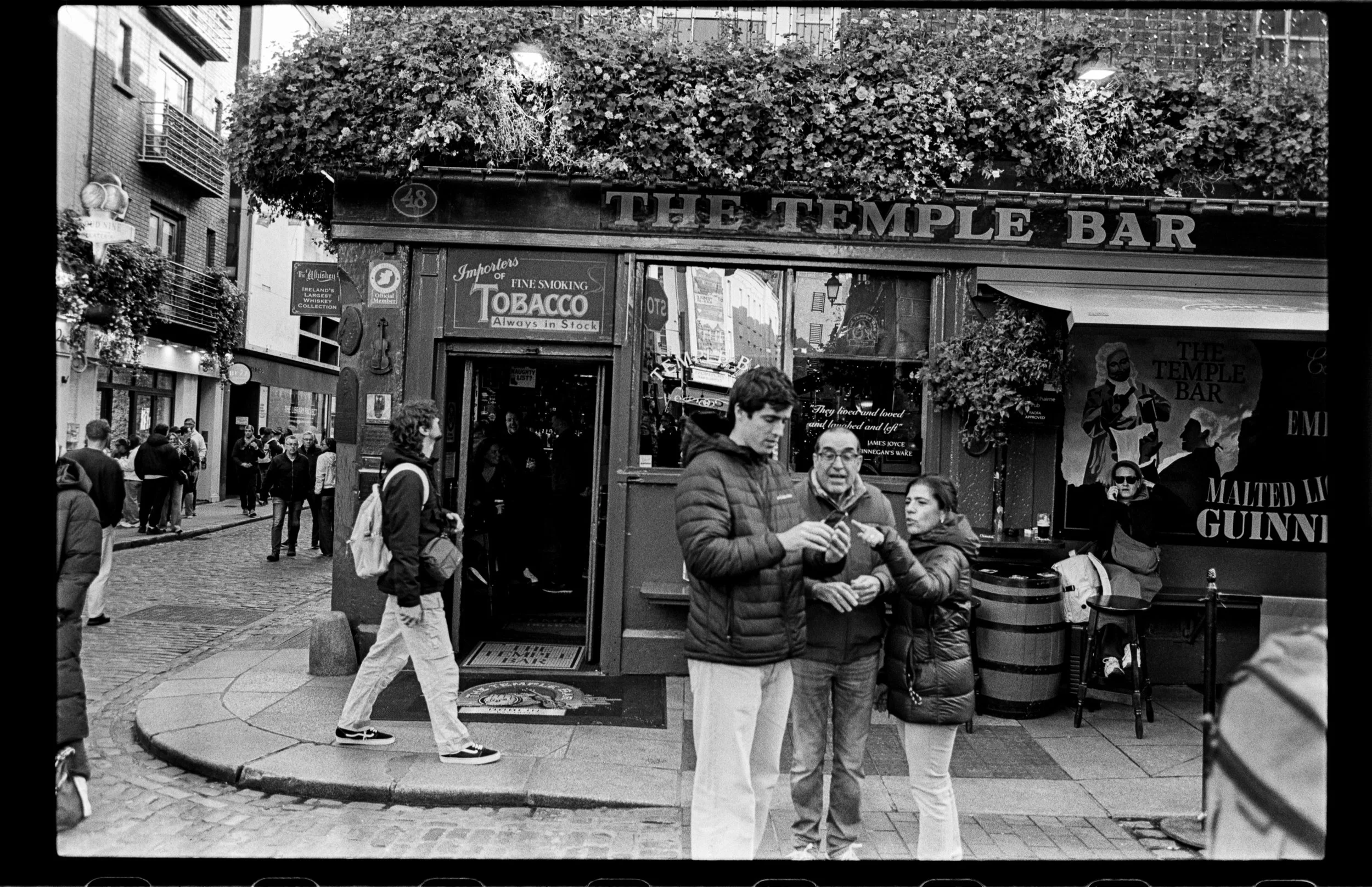
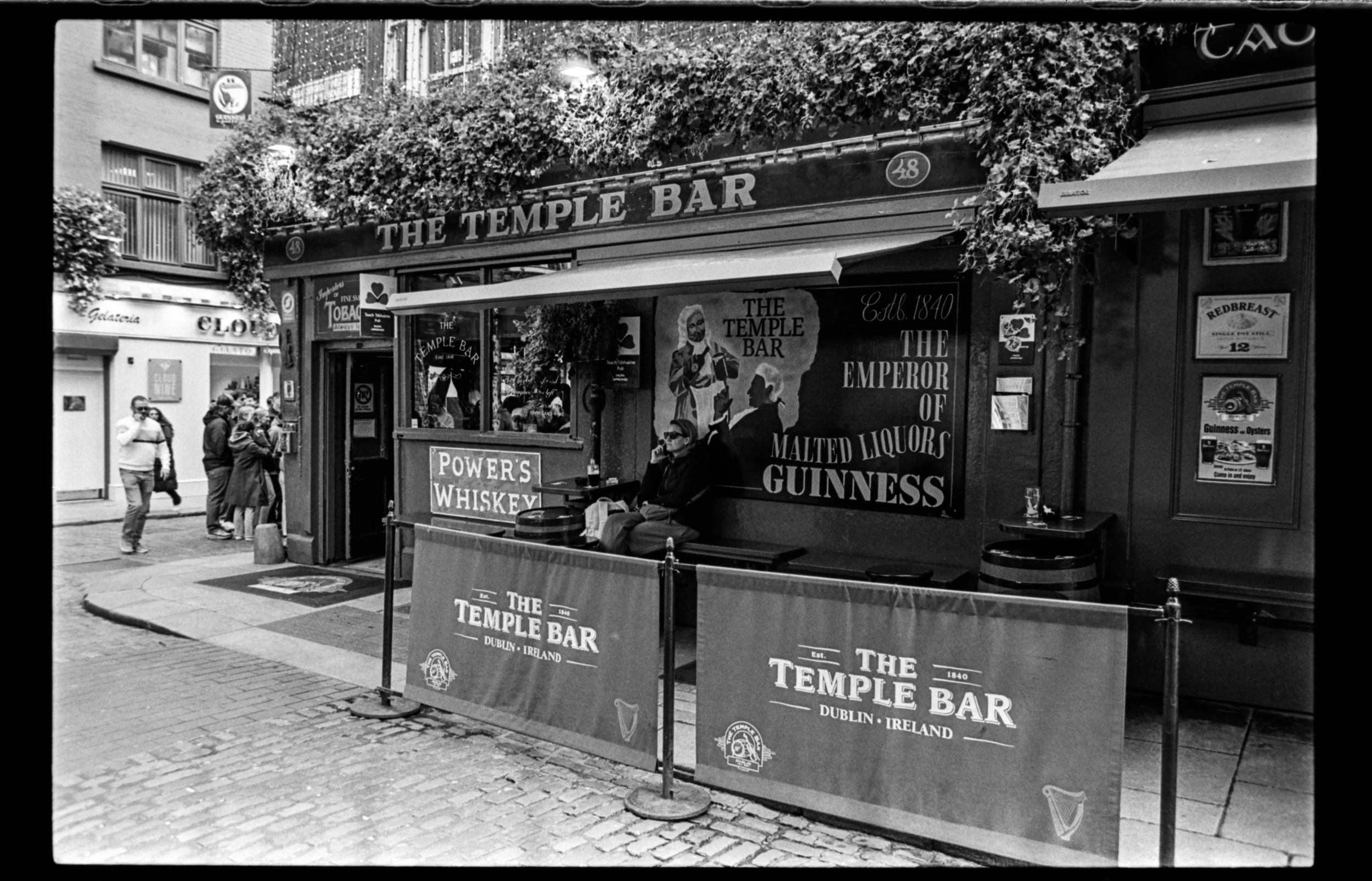
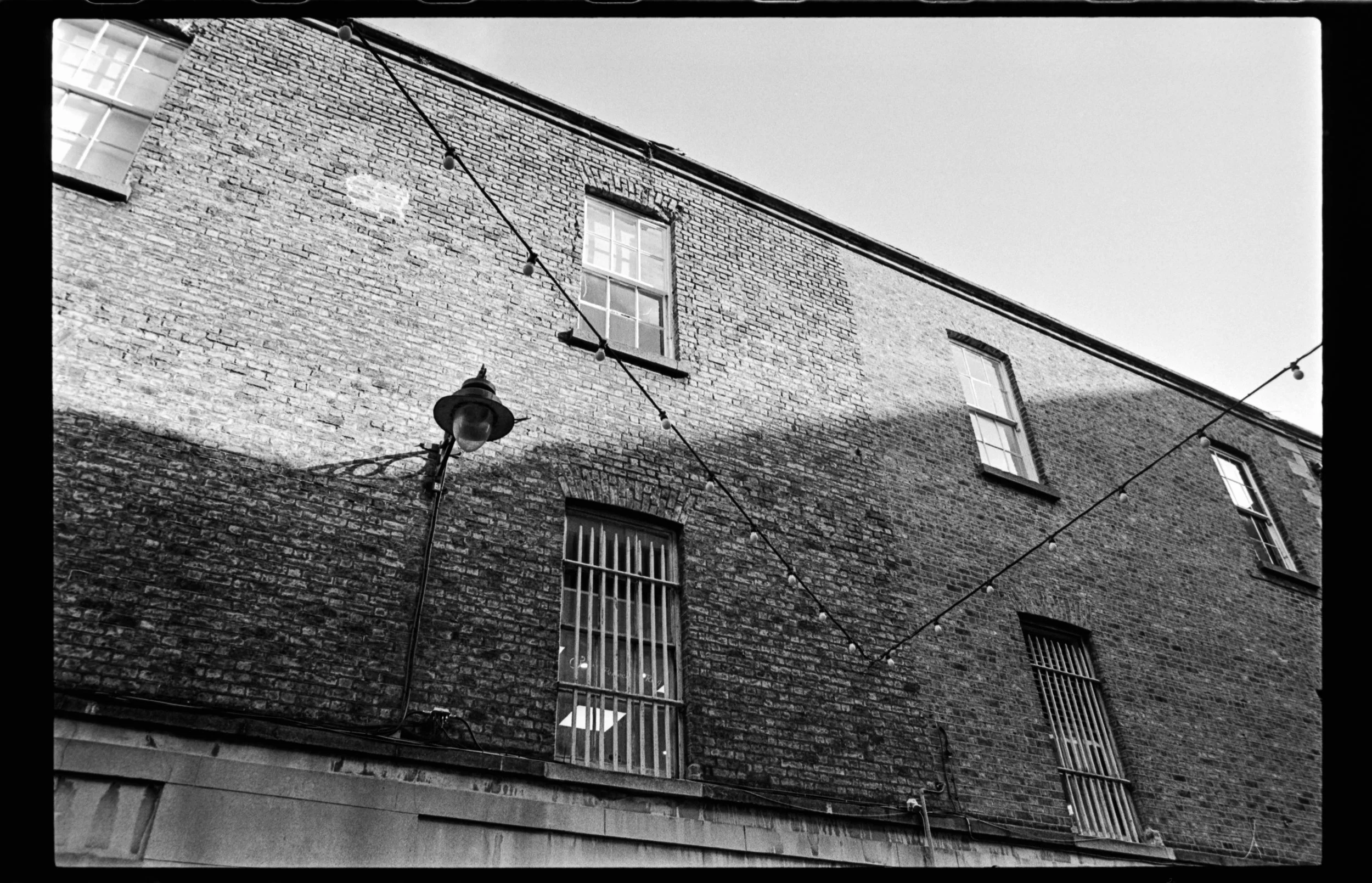
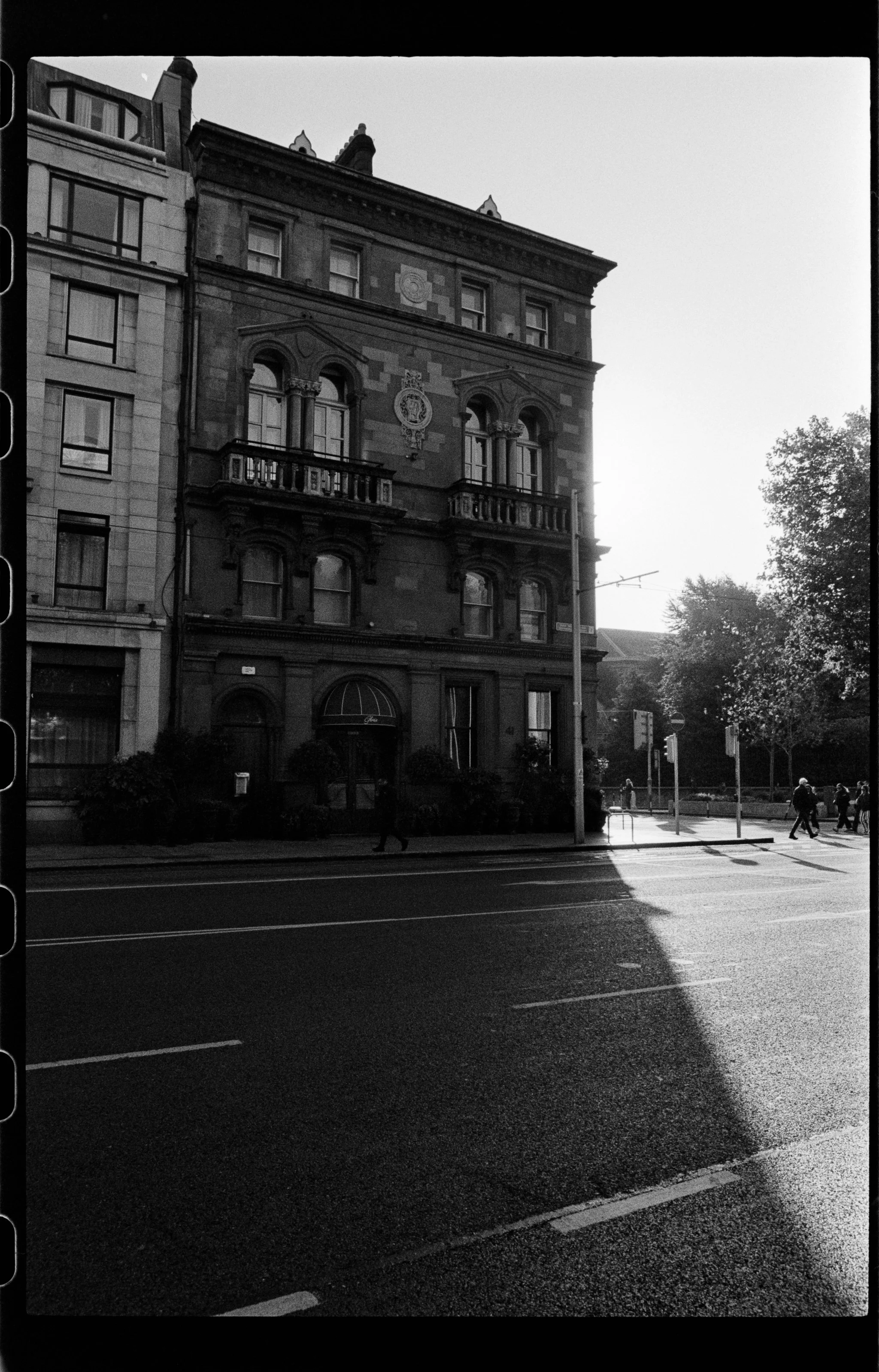
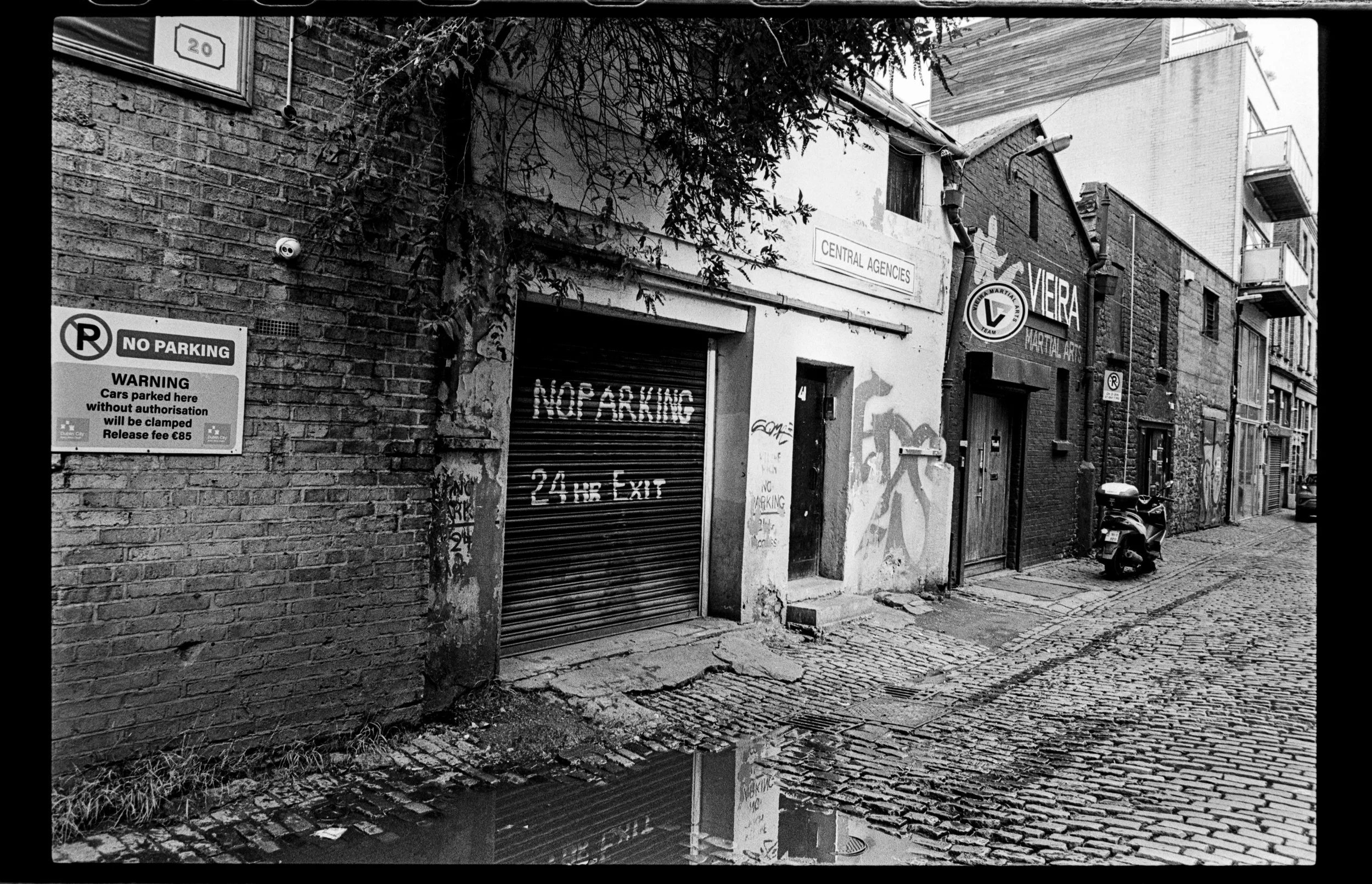
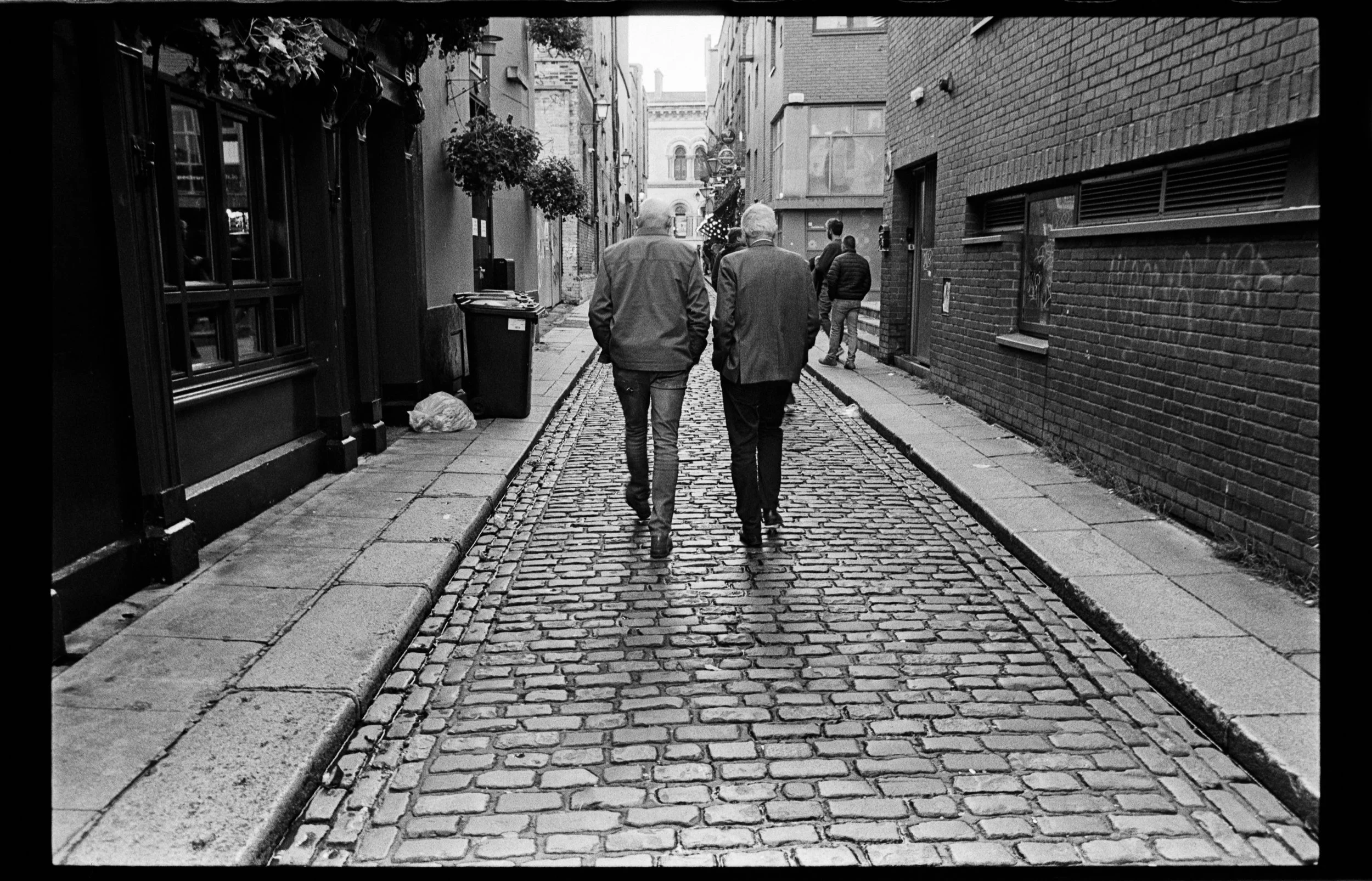
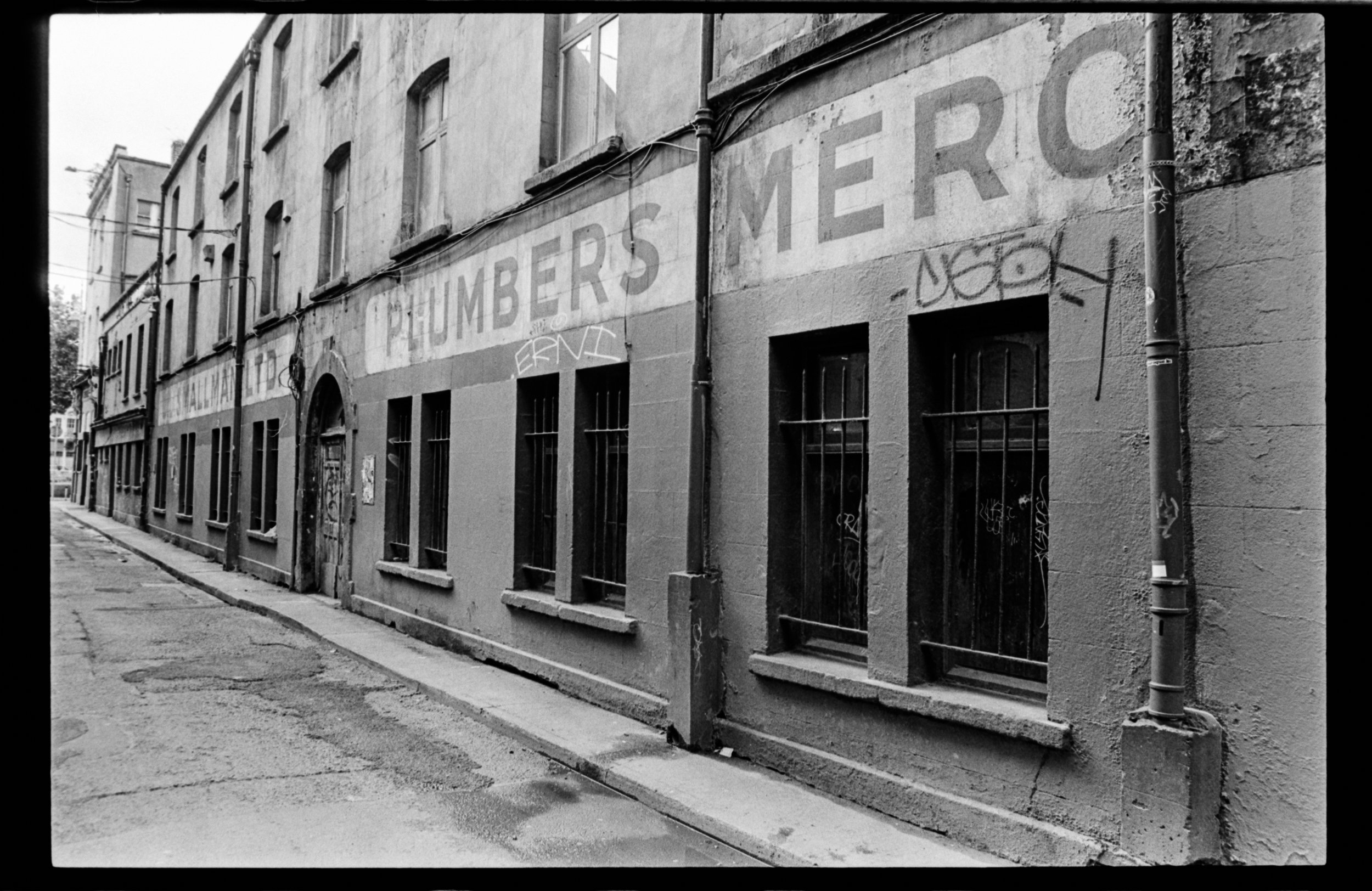
When I finally pulled the film from the tank and held it up to the window, the highlights were as dense as a slab of Wensleydale. Skies I remembered as soft and luminous had become impenetrable black rectangles, and faces had acquired the solid opacity of a theatre curtain. And yet, peering more closely, I found it wasn’t quite the catastrophe I’d feared. The shadows were fine, the detail was all there somewhere, and a sympathetic scan or a softer grade of paper would probably coax most of it back. That, I’ve come to think, is the great consolation of analogue photography. It punishes you for your carelessness, but rarely completely, and almost never without leaving you something to grumble about at length afterwards. I put the tomato timer back in the drawer and, for the first time in my life, bought a second thermometer.