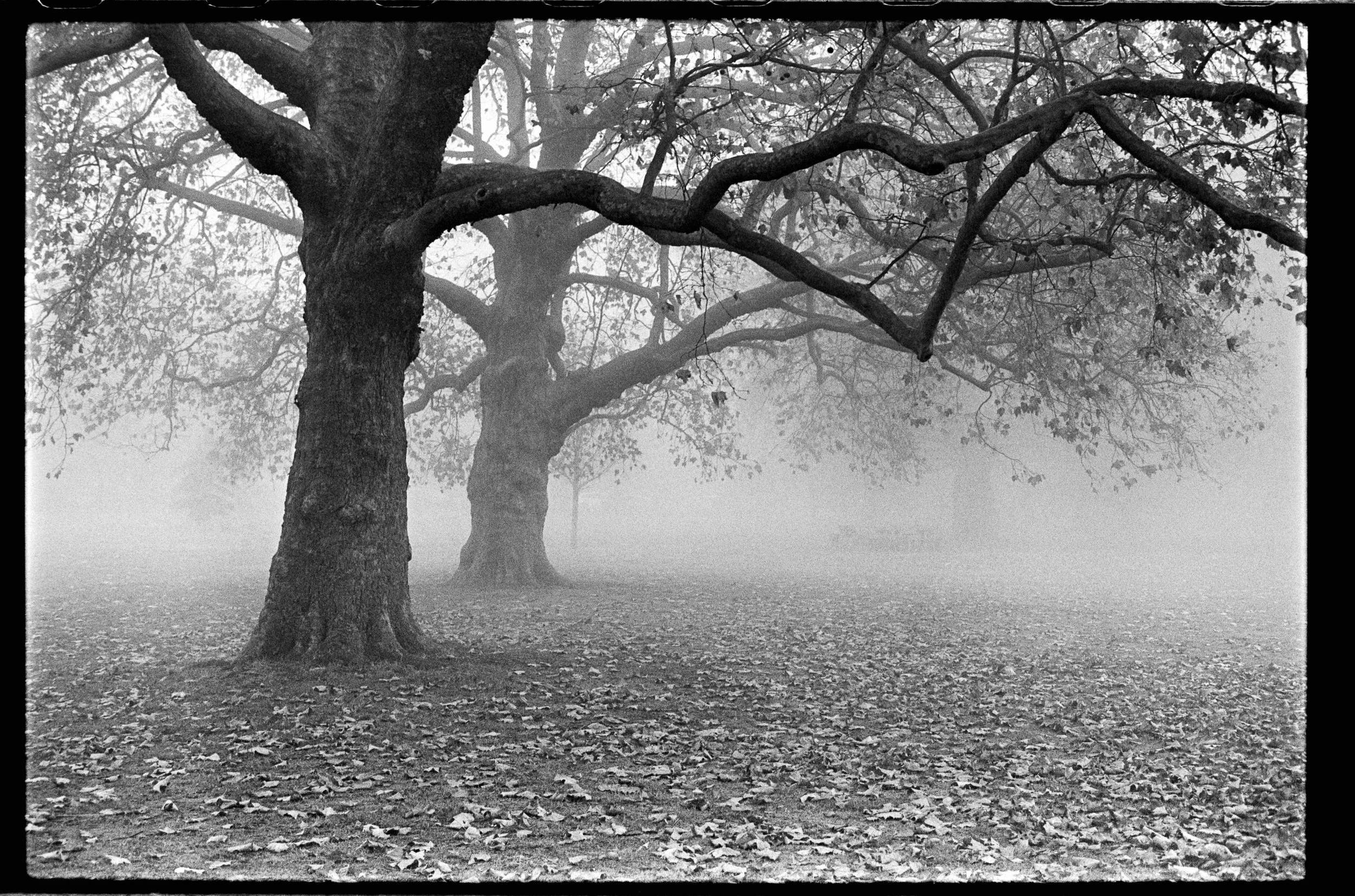
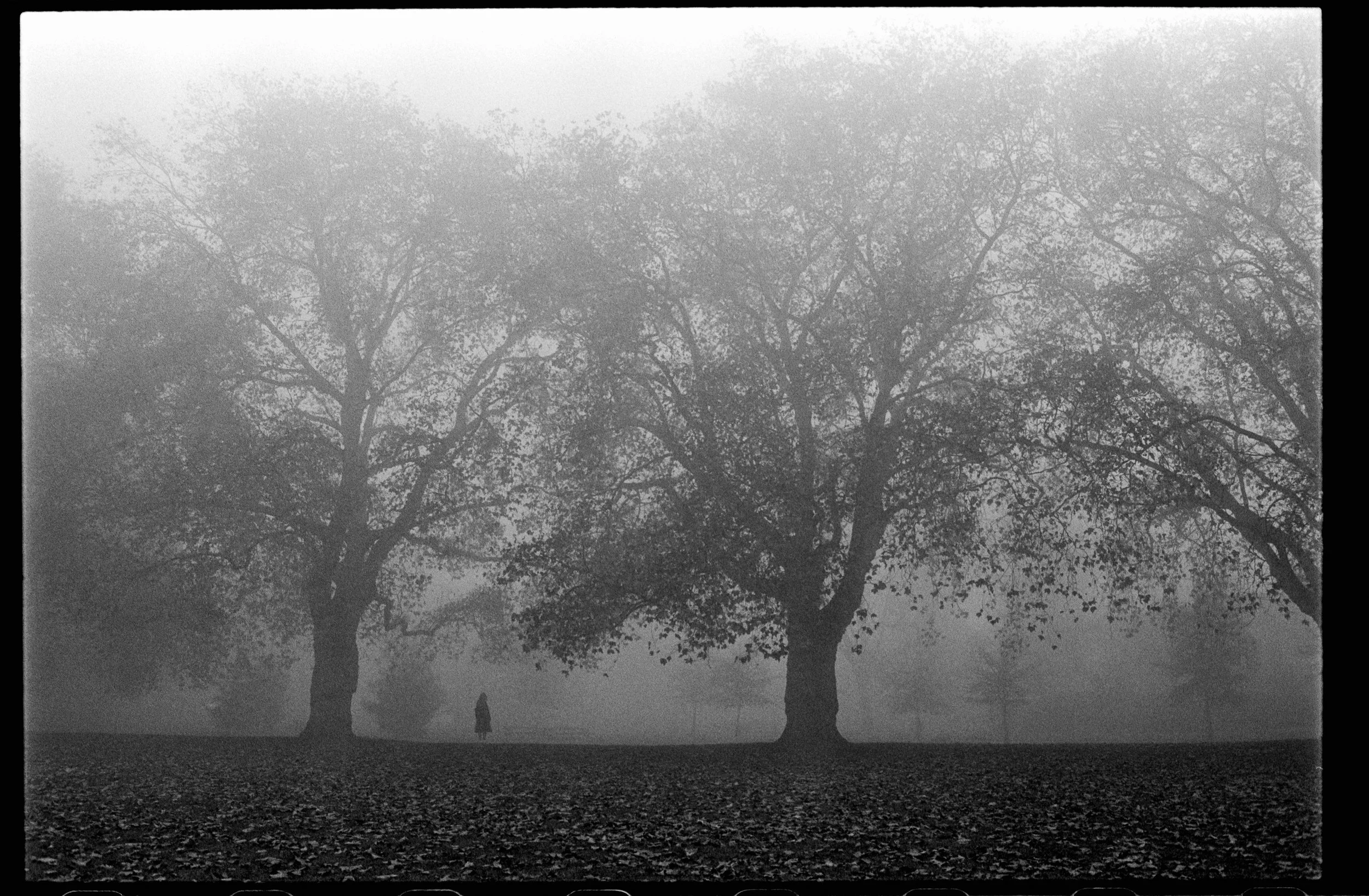
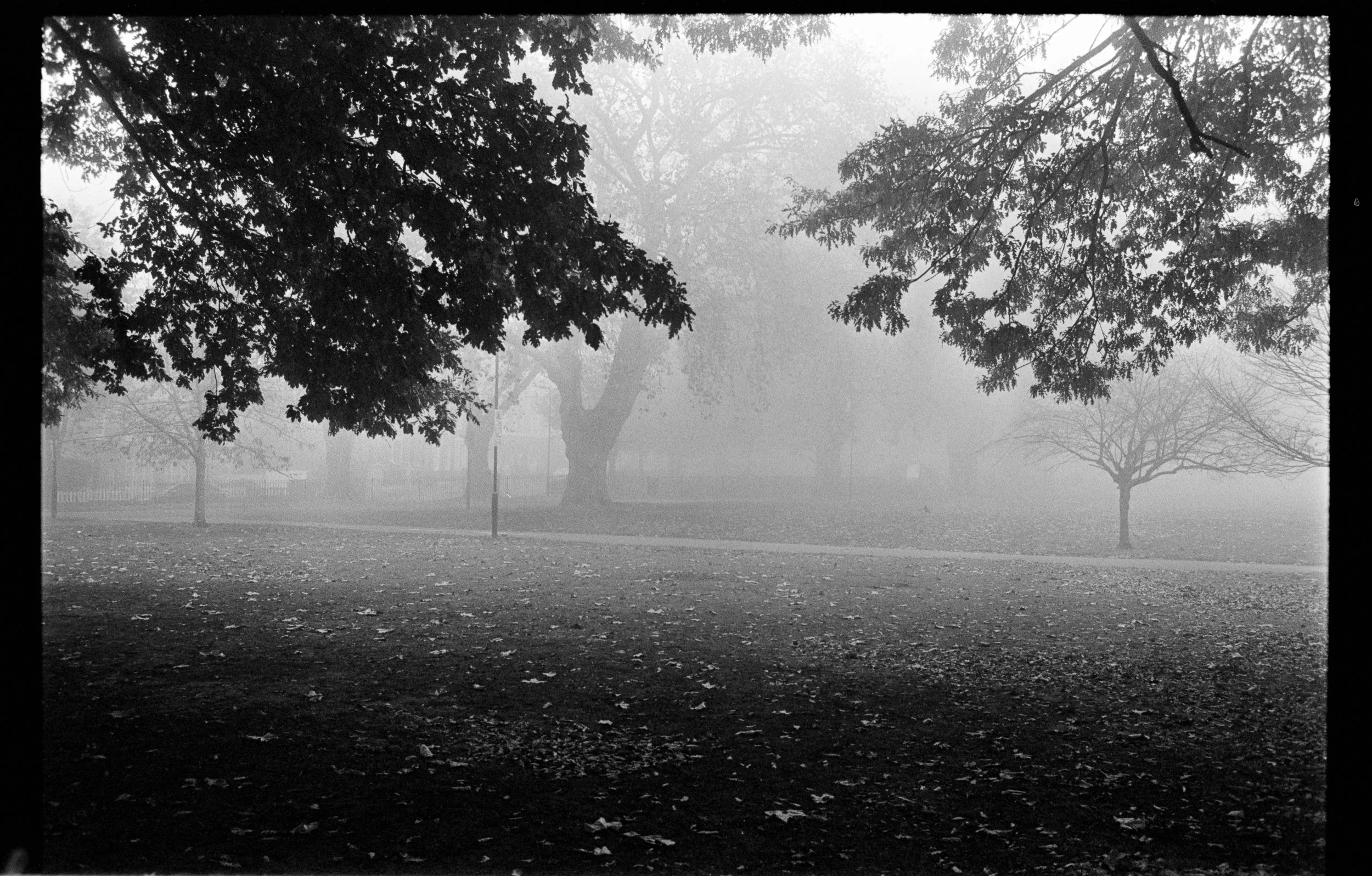
Canon FD v Nikon F
Please put your watches back……..40 years.
A particular kind of man, and I have been him, will stand at a camera fair in a draughty church hall holding two 35mm lenses up to the light, one Canon FD and one Nikon F. He will turn them over with the solemnity of a jeweller who suspects a forgery, as if his future happiness depends on the choice. On paper they are almost the same thing: a lump of glass and brass made in Japan in about 1975, designed to help you photograph strangers on Kentish Town Road without them noticing. But they have temperaments, the way old dogs do. The Nikkors have a reputation for being cool, crisp and slightly severe, a sort of optical Swiss bank manager. The 28mm f/2.8 AI-S in particular is so sharp and so correct that you half expect it to send you an invoice each time you use it. Canon's FD glass is warmer, softer round the edges and more forgiving. The early chrome-nosed 35mm f/2, with its curiously concave front element and a dash of thorium in the recipe, has turned faintly yellow with age, like a smoker's ceiling. It renders the world as if everyone in it has just had a nice lunch. Which you prefer comes down to one question: do you want a lens that tells the truth, or one that tells a better story?
Then there is the business of old versus new, which is where reasonable people lose whole weekends. In the late 1970s both companies tidied up their ranges. Canon went to "New FD" lenses: lighter, more plasticky, better coated, and sharper and more contrasty in exactly the way that makes forum dwellers sigh for the old ones. Nikon went from the lovely scalloped-ring non-AI lenses, with their little metal "rabbit ears", to AI and then AI-S. That tightened the contrast and calmed the flare, and took away a bit of the glow that made a backlit pavement look like a memory, not a record. These lenses really make sense on the cameras they were made for. Put an FD 35mm on an AE-1 and you have a small, friendly, slightly squeaky machine that hands you an exposure as cheerfully as a waiter bringing bread. Put a non-AI Nikkor on an F2 and you have something roughly as heavy as a cathedral door and about as likely to break. Its prongs click into the meter fork with a satisfying clunk that makes you feel like a war correspondent, even if you are only photographing a bloke outside Greggs. The irony is that Canon's habit of abandoning things has made it the better bargain. The FD mount was retired in 1987, so many of the lenses, and the bodies, now sell for loose change. Nikon never quite let go, so its old glass still fetches proper money. So you can pay more for the lens that is right, or less for the lens that is charming. Being a street photographer, and therefore almost by definition broke, you will buy both and spend the next decade working out which one you actually like.
If you insist on a shopping list, and people like us always do, here it is. On the Canon side, start with the FD 35mm f/2 S.S.C., the concave, faintly radioactive one, which is the closest thing the system has to a cult. The New FD 35mm f/2 is its sensible younger sibling, sharper and less yellow and about as interesting as my tax return. The FD 28mm f/2.8 is so common that it may outnumber pigeons. The FD 24mm f/2.8 S.S.C. is for people who like to stand uncomfortably close to strangers. The FD 50mm f/1.4 S.S.C. is quietly excellent (see below), and the FD 55mm f/1.2 glows wide open like a pub window on a wet night. For Nikon, the Nikkor-O 35mm f/2 and the Nikkor-H 28mm f/3.5 are the old-school choices, all scalloped chrome and good manners. The 28mm f/2.8 and 35mm f/1.4 AI-S are for those who want everything in focus and nothing left to chance. The 50mm f/1.4 AI-S is the dependable workhorse. Then there is the oddity: the little 45mm f/2.8 GN Auto Nikkor of 1969, a pancake lens originally designed to work out flash exposure for you. It turns any Nikon into something you could almost slip into a coat pocket, provided the coat is large and you have never had much regard for its lining.